
Living in Hawai‘i means embracing the beauty—and responsibility—of Pacific life. A tsunami can arise from distant earthquakes (e.g. off Russia or Chile) or local seismic events. Preparation across Oʻahu, Maui, Kauaʻi, and Hawaiʻi Island is key.
The Pacific Tsunami Warning Center (PTWC) in Hawaii monitors seismic and ocean data and alerts state officials across the Pacific. Just recently, an 8.8‑magnitude quake off Kamchatka triggered warnings across Hawai‘i—including evacuations—though actual wave heights peaked around 1.8 m (six feet). Yet, the event exposed challenges like traffic gridlock due to over‑evacuation.
Consult HI‑EMA and county maps to see if your home, workplace, or school sits in a tsunami evacuation zone. If you do, plan your evacuation routes to higher ground or inland. In high‑rise reinforced buildings (10+ stories), sheltering vertically above the fourth floor may also be viable.
Not all tsunamis allow time for alerts. If you feel a long or strong earthquake, see the ocean suddenly recede or rise, or hear a loud roar from the sea—move immediately inland or uphill. Don’t wait for alerts.
- Go‑bag per person: at least 72
- hours of food and water, flashlight, radio, first aid, meds, documents, phone charger.
- 14‑day disaster kit: Essential for Hawai‘i, where resupply can be delayed due to island transport challenges.
Stay Connected to Official Alerts
- County alert systems (e.g. Maui Emergency Alerts)
- HI‑EMA emergency notifications
- NOAA Weather Radio
- Wireless Emergency Alerts on your mobile device
Include everyone in planning, especially keiki and kupuna. If a warning hits while children are at school or someone is home alone, establish a reliable reunification point. Include pets with food and crates in your evacuation plan.
- If you are outside a hazard zone, stay put unless directed otherwise—keeping roads clear is vital.
- If inside an evacuation zone or near the coast during a warning, evacuate immediately.
- Continue listening to official updates before returning home—some threats can last for hours or days.
- Use texts or social media to communicate; lines may be overloaded.
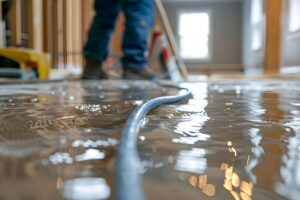
- Document property damage with photos and contact your insurance provider.
- Be cautious around floodwater and damaged structures. Avoid standing water near downed power lines.
- 24/7 emergency response
- Full-service restoration: water extraction, mold remediation, reconstruction
- Locally owned and operated with over 20 years of experience across O‘ahu, Maui, Kaua‘i, and Hawai‘i Island
- Licensed through BBB with an A+ rating and IICRC-certified staff
In the wake of a tsunami, preparation and recovery go hand in hand: you prepare gaps before events happen—and we help with recovery afterward.
Task | Why It Matters |
Know your zone | Avoid guesswork when time is tight |
Practice evacuation drills | Reduces panic and gridlock |
Pack go‑bag & 14‑day kit | Island isolation slows resupply |
Sign up for alerts | Stay informed even off-grid |
Store documents safely | Crucial during damage and recovery |