

Professional Mold Remediation & Removal in Hawaii
Mold develops quickly in Hawaii’s warm, moisture-heavy environment. Leaks, flooding, poor ventilation, and even everyday humidity can create conditions where mold takes hold long before it’s visible. By the time odors or surface growth appear, contamination may already be affecting hidden areas and indoor air quality.
Premier Restoration Hawaii approaches mold remediation as both a structural and environmental issue. Addressing the source of moisture, controlling airborne spread, and removing affected materials are all part of our comprehensive process designed for island homes and commercial properties.
Damage Restoration Process
Mold Remediation FAQs
Mold begins growing when moisture is present for long periods of time. Leaks, flooding, poor airflow, and high humidity create the right conditions for mold to develop, often in areas that are not easy to see.
Common causes of mold growth include:
- Plumbing leaks
- Roof or window leaks
- Flooding or water damage
- High indoor humidity
Yes. Mold often grows behind walls, under flooring, or inside insulation before it appears on surfaces. Many properties have mold problems without clear visual signs.
Hidden mold is often found in:
- Wall cavities
- Subfloor systems
- Attics and crawl spaces
- Behind cabinets or appliances
Mold removal requires containment and controlled cleanup to prevent spores from spreading. Professional remediation addresses both the mold and the moisture source that caused it.
Professional remediation focuses on:
- Containing airborne spores
- Removing affected materials safely
- Correcting moisture issues
- Improving indoor air quality
Yes. Mold releases spores into the air that can circulate throughout a property. This can impact comfort and create ongoing air quality concerns if not addressed properly.
Air quality issues may include:
- Musty odors
- Increased airborne particles
- Reduced ventilation effectiveness
- Ongoing moisture-related issues
It can return if moisture problems are not corrected. Proper remediation includes addressing the source of moisture to reduce the chance of future growth.
Steps that help prevent mold from returning include:
- Fixing leaks promptly
- Improving ventilation
- Controlling indoor humidity
- Monitoring moisture-prone areas
Mold Insights for Hawaii Property Owners
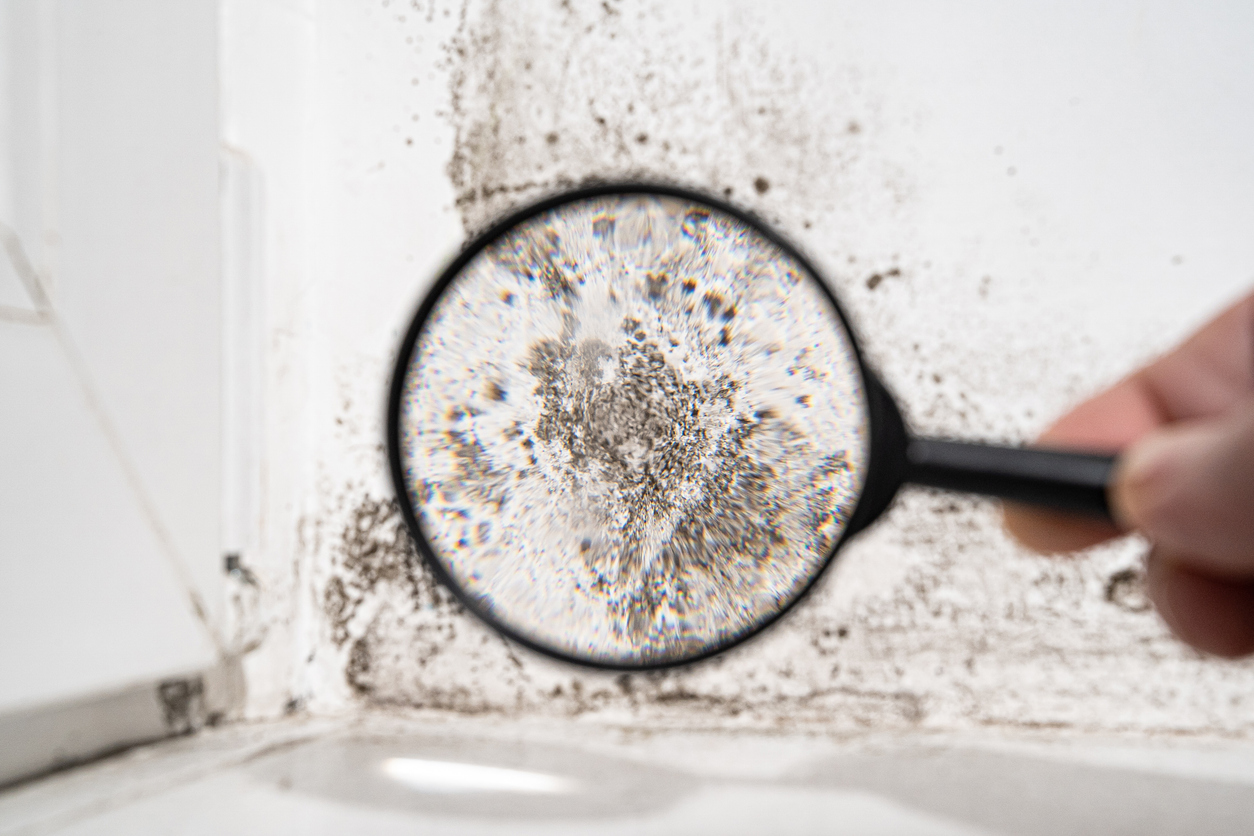
Black Mold or Mildew? How to Fix Bathroom Humidity in Hawaii
Bathrooms on Oahu, Maui, the Big Island, and Kauai are subject to high humidity, warm temperatures, and limited…
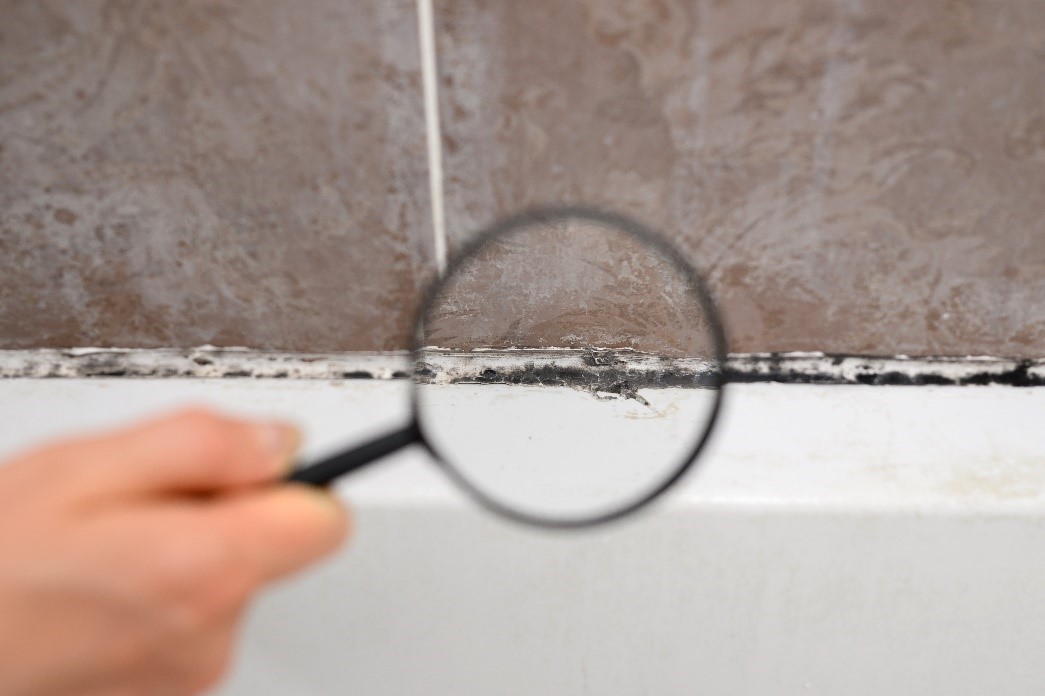
Expert Guide to Humidity Control and Mold Prevention in Hawaii
Hawai‘i’s tropical climate offers sunshine, ocean breezes, and lush greenery. Yet, the same climate that makes island living…
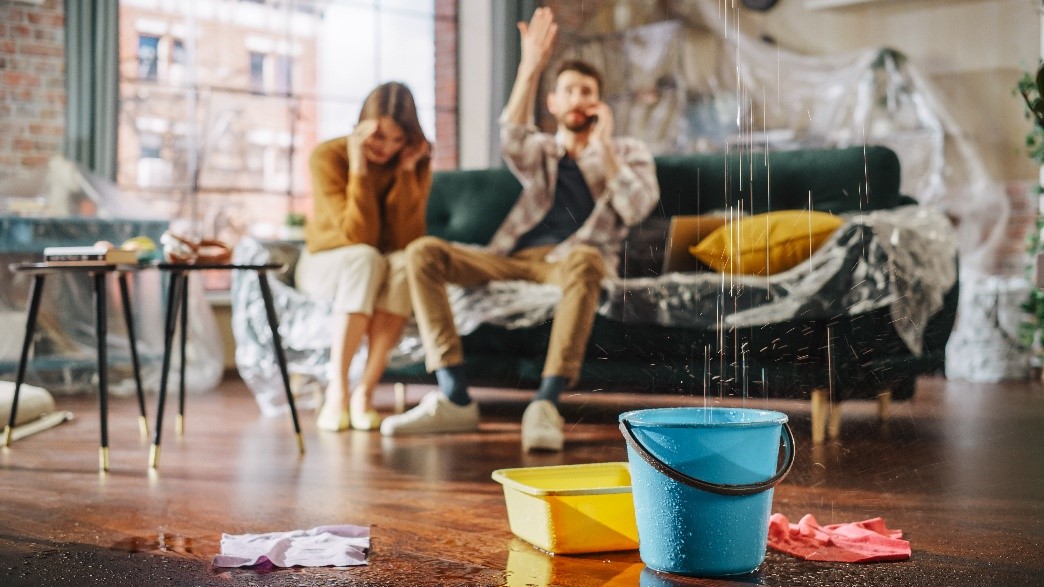
What Happens When Water Damage Is Left Untreated?
When residential water damage is ignored, the effects go far beyond what you can see on the surface…
Contact the Mold Remediation Experts to Stop it in Its Tracks
Mold rarely stays confined to one area, especially in humid environments. Ignoring early signs can allow contamination to spread into structural components and ventilation pathways.
If you suspect mold or have ongoing moisture concerns, connect with a remediation team familiar with Hawaii’s climate, building styles, and environmental challenges.