

Mold remediation is the professional process of finding the moisture source, safely removing mold, and preventing regrowth
Mold develops quickly in Hawaii’s warm, moisture-heavy environment. Leaks, flooding, poor ventilation, and even everyday humidity can create conditions where mold takes hold long before it’s visible. By the time odors or surface growth appear, contamination may already be affecting hidden areas and indoor air quality.
Premier Restoration Hawaii approaches mold remediation as both a structural and environmental issue. Addressing the source of moisture, controlling airborne spread, and removing affected materials are all part of our comprehensive process designed for island homes and commercial properties.
Damage Restoration Process
Mold Remediation FAQs
Mold removal takes the visible mold out of a space. Mold remediation is the full process: locating the moisture source, containing the area, removing the mold safely, treating affected materials, and correcting the conditions that let it grow so it does not come back. Most Hawaii properties need remediation rather than removal alone, because the island climate keeps feeding any moisture problem left behind.
Cost depends on how far the mold has spread, where it is located, and how much material has to be treated or replaced. A small, contained area costs far less than mold that has moved into wall cavities, flooring, or HVAC systems. The most reliable way to get an accurate number is a professional inspection that identifies the full scope before any work begins, so there are no surprises.
Many residential jobs are completed in one to five days. Timing depends on the size of the affected area, the materials involved, and how much drying and reconstruction is needed. Larger commercial jobs or hidden damage behind walls can take longer. After an inspection we provide a realistic timeline for your specific property.
Yes. We inspect the property, identify the moisture source, and assess how far the mold has spread before any removal starts. Inspection and moisture mapping are the foundation of effective remediation, because treating the mold without fixing the source only leads to regrowth.
Hawaii’s warm temperatures and high humidity, which often sit above 60%, create ideal conditions for mold. Trade winds, heavy rainfall, and coastal moisture add to the load, and mold can begin growing within 24 to 48 hours of any water intrusion. This holds true across Oahu, Maui, the Big Island, and Kauai, which is why fast moisture control matters so much here.
Mold can start growing within 24 to 48 hours after water damage in Hawaii’s humid climate. That short window is why quick water extraction and drying are so important. The faster moisture is removed, the lower the chance of a mold problem developing.
Mold returns only when the underlying moisture problem is left unresolved. Proper remediation removes the mold and corrects the source, whether that is a leak, poor ventilation, or high indoor humidity. We focus on the moisture conditions, not just the visible mold, so the problem does not come back.
Yes. Premier Restoration Hawaii provides mold remediation and removal on Oahu, Maui, the Big Island, and Kauai, including Honolulu, Kahului, Hilo, Kailua-Kona, and Lihue. Local crews mean faster inspection and response wherever you are.
Mold Insights for Hawaii Property Owners
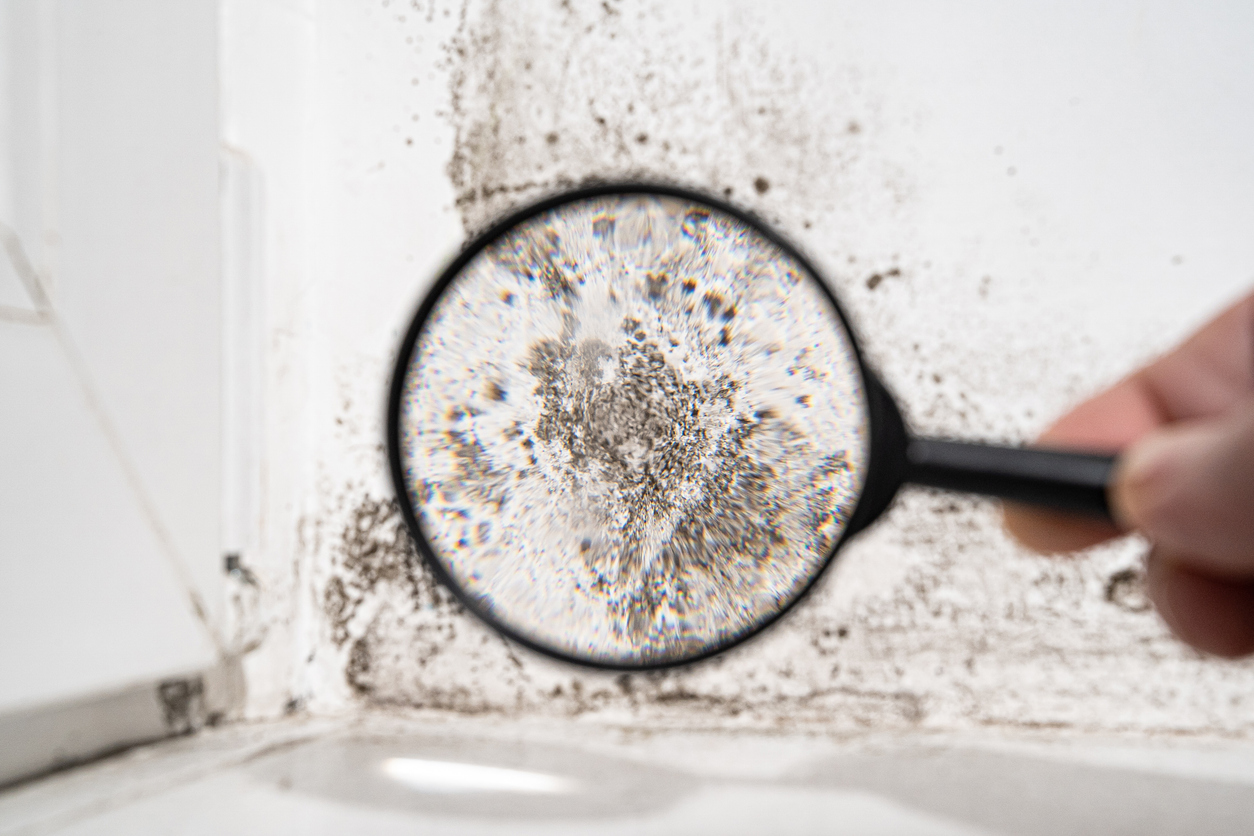
Black Mold or Mildew? How to Fix Bathroom Humidity in Hawaii
Bathrooms on Oahu, Maui, the Big Island, and Kauai are subject to high humidity, warm temperatures, and limited…
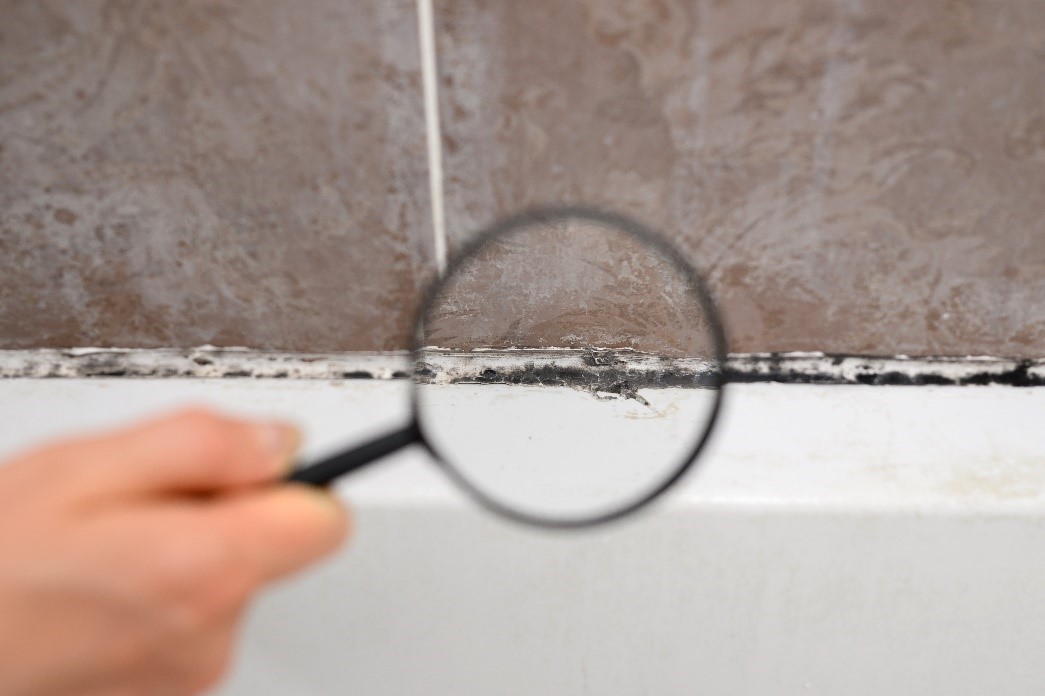
Expert Guide to Humidity Control and Mold Prevention in Hawaii
Hawai‘i’s tropical climate offers sunshine, ocean breezes, and lush greenery. Yet, the same climate that makes island living…
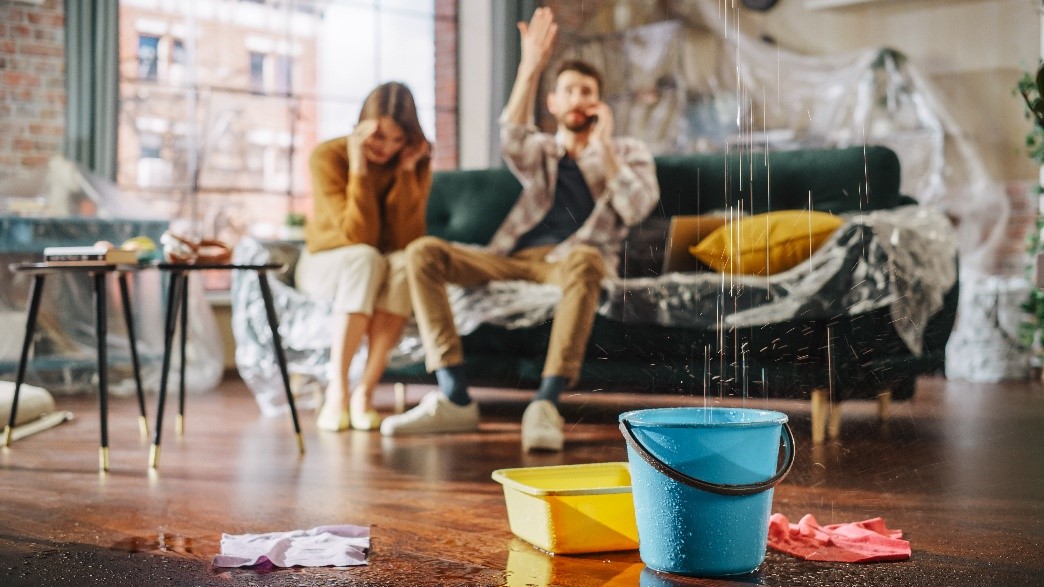
What Happens When Water Damage Is Left Untreated?
When residential water damage is ignored, the effects go far beyond what you can see on the surface…
Contact the Mold Remediation Experts to Stop it in Its Tracks
Mold rarely stays confined to one area, especially in humid environments. Ignoring early signs can allow contamination to spread into structural components and ventilation pathways.
If you suspect mold or have ongoing moisture concerns, connect with a remediation team familiar with Hawaii’s climate, building styles, and environmental challenges.