After the Storm: Dry or Replace? How Pros Save Hardwood Floors in Hawaii
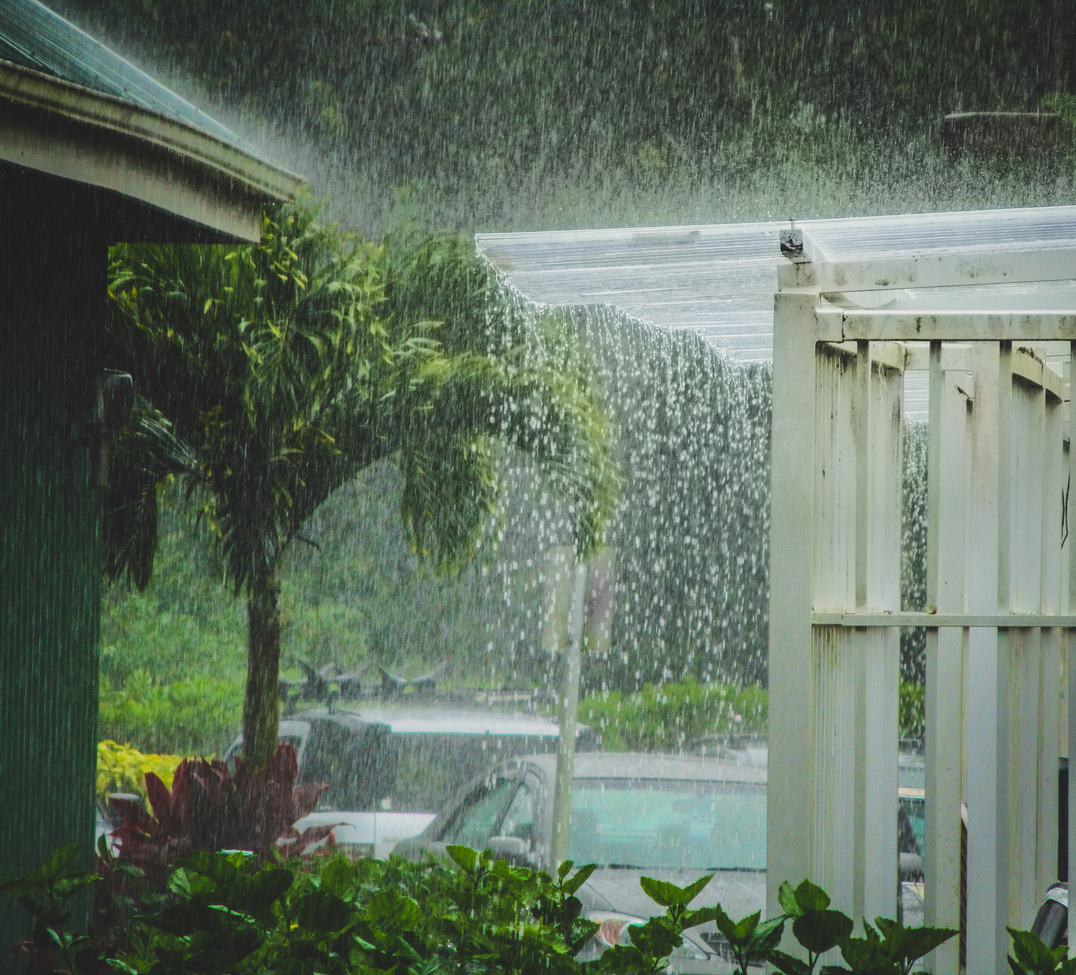
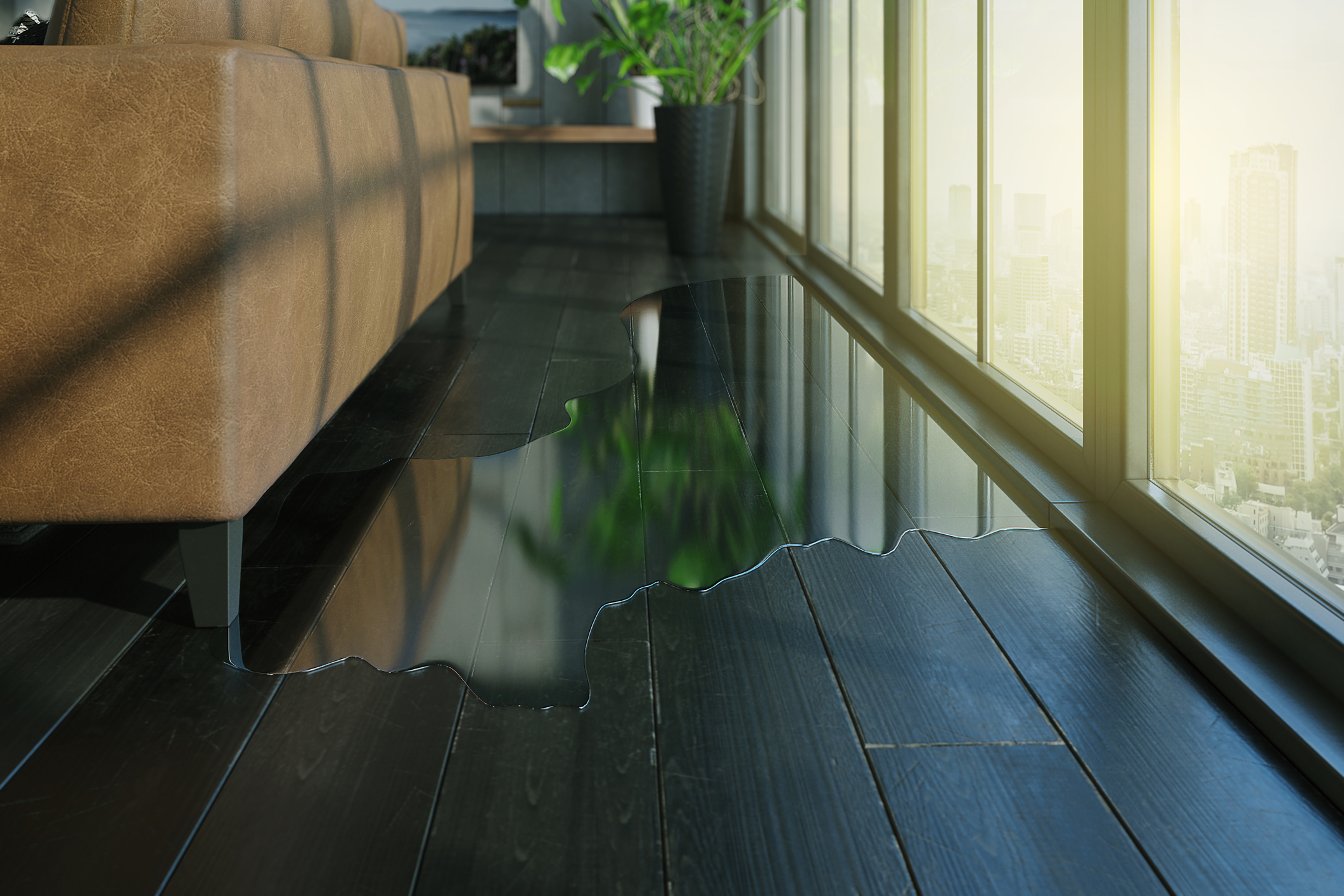
Tropical downpours don’t just soak roofs and walls, they quietly threaten one of the most expensive finishes in a home: hardwood floors. In Hawaii’s humid climate, even a few hours of standing water or trapped moisture can lead to cupping, swelling, or long-term structural damage. The real question homeowners face after a storm isn’t if damage occurred, it’s whether drying is still possible or replacement is the smarter move.
Let’s break down how restoration professionals evaluate water-damaged hardwood floors across Hawaii, when advanced drying can preserve them, and when removal protects the home from bigger problems.
Why Hardwood Floors Are So Vulnerable After Hawaiian Storms
Hardwood is a natural material that absorbs moisture quickly. In places like Oahu, Maui, Kauai, and the Big Island, where humidity stays high year-round, floors dry slower and retain moisture longer after storms.
Common causes of post-storm hardwood damage include:
- Wind-driven rain entering through doors or windows
- Flooding from overwhelmed drains or grading issues
- Appliance or plumbing failures triggered by power outages
- Prolonged moisture trapped beneath flooring
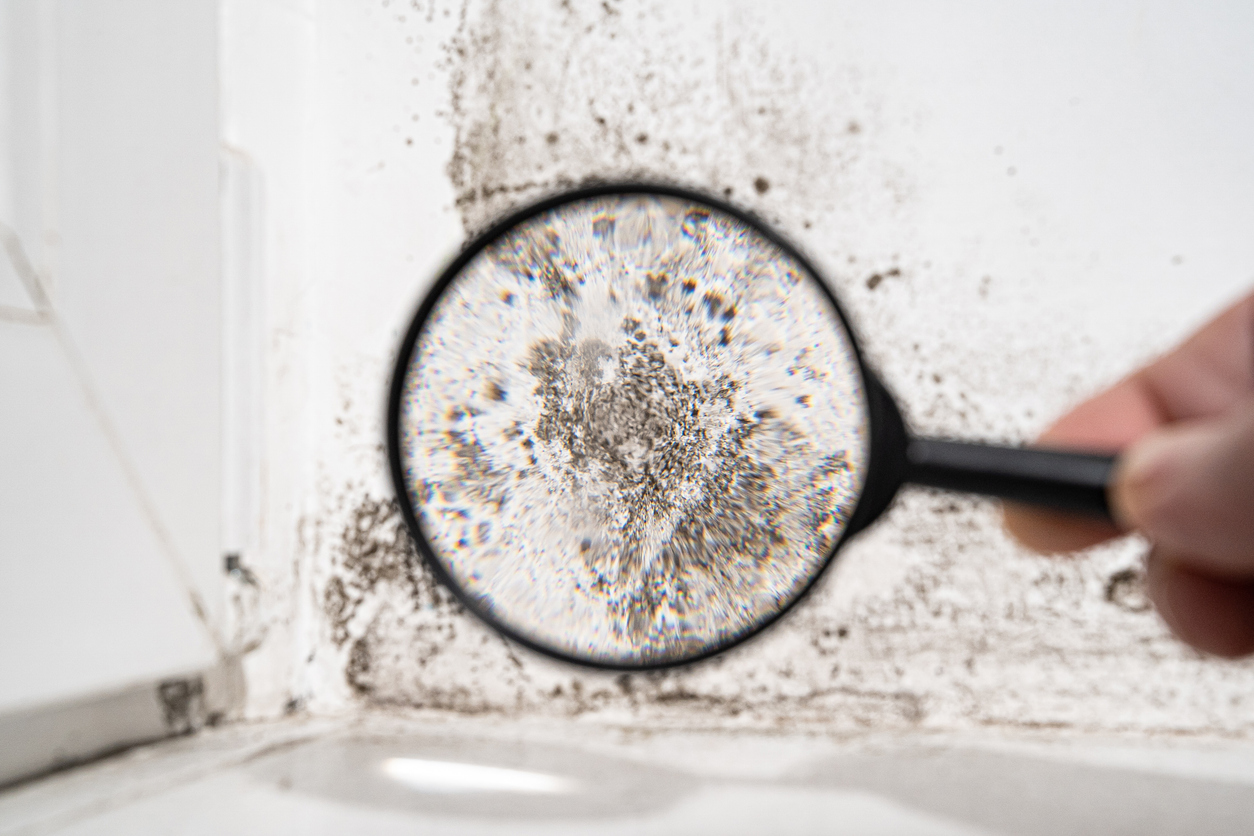
Left untreated, moisture beneath hardwood can lead to subfloor damage and microbial growth, even if the surface looks fine.
Dry or Replace? How Pros Make the Call
Professional water damage restoration teams don’t rely on guesswork. The decision to dry or replace hardwood floors depends on measurable data, not appearances.
Moisture Meters Tell the Real Story
Restoration crews use calibrated moisture meters to compare:
- Moisture levels in affected boards
- Readings from unaffected areas
- Subfloor and surrounding materials
If moisture content can return to normal ranges without structural distortion, specialty drying may be viable.
Cupping vs. Crowning: What the Shape of the Floor Reveals
Floor Cupping (Often Salvageable)
Cupping occurs when moisture enters from below, causing board edges to rise higher than the center. In many Hawaii homes, cupping after storms can flatten once moisture is removed gradually and evenly.
Floor Crowning (Usually Replacement)
Crowning happens when the center of the board swells higher than the edges and is often a sign the floor was sanded or refinished while still wet. This typically indicates permanent damage that won’t be corrected with drying alone.
How Specialty Drying Saves Hardwood Floors
When conditions allow, professional drying can prevent costly tear-outs.
LGR Dehumidifiers for Hawaii’s Humidity
Low-grain refrigerant (LGR) dehumidifiers are designed for high-humidity environments like Hawaii. These systems:
- Pull moisture from the air more efficiently
- Speed evaporation from wood and subfloors
- Reduce secondary damage risks
Strategic air movement and controlled temperature play a major role in stabilizing hardwood without causing cracking or warping.
Drying Timelines: What to Expect
Drying hardwood floors is not instant, especially in tropical conditions.
Typical timelines include:
- Initial moisture mapping within the first 24 hours
- Active drying for 3–7 days, depending on saturation
- Monitoring until moisture levels normalize
Rushing the process can cause long-term issues, which is why professional oversight matters.
When Tear-Out Is the Smarter Option
Drying isn’t always the safest choice. Replacement is often recommended when:
- Floodwater or sewage contacted the flooring
- Boards have severe crowning or buckling
- Subfloor materials remain saturated
- Moisture levels fail to stabilize after drying efforts
In these cases, removal prevents hidden damage that could affect indoor air quality and structural integrity.
Insurance Documentation: Why Photos and Readings Matter
Proper documentation plays a major role in water damage claims. Professional restoration teams document:
- Moisture meter readings over time
- Drying equipment placement
- Progress photos showing floor conditions
Clear records support insurance decisions and protect homeowners from disputes later in the process.
Frequently Asked Questions About Water-Damaged Hardwood Floors in Hawaii
Can hardwood floors be saved after storm or flood damage in Hawaii?
Hardwood floors can sometimes be saved after storm damage, but the outcome depends on how quickly drying begins, how much moisture has entered the wood, and whether the water source was clean. In Hawaii’s humid environment, moisture can linger beneath flooring longer than expected, making professional evaluation critical within the first 24–48 hours.
- Moisture meter readings compared to dry areas
- Time elapsed since water exposure
- Type of water involved (rain, clean, contaminated)
- Condition of the subfloor and adhesives
How long does it take to dry hardwood floors after water damage?
Drying hardwood floors in Hawaii typically takes several days, not hours. The process depends on saturation depth, airflow, and indoor humidity levels. Advanced drying systems allow moisture to be removed gradually, reducing the risk of cracking or permanent warping.
- Average drying range: 3–7 days
- Daily moisture monitoring during drying
- Controlled air movement and temperature
- Extended timelines during high humidity periods
What is floor cupping, and will it go away on its own?
Cupping happens when moisture enters hardwood from below, causing board edges to rise higher than the center. In many cases, cupping can lessen once moisture levels return to normal, but only if drying is handled correctly and the wood hasn’t been overstressed.
- Raised board edges after storms or leaks
- Moisture trapped in subfloor or padding
- Often reversible with specialty drying
- Sanding too early can cause permanent damage
When should hardwood floors be replaced instead of dried?
Replacement is often the safer option when hardwood floors show signs of structural failure or contamination. Attempting to dry severely damaged flooring can trap moisture and lead to long-term problems inside the home.
- Crowning or buckling boards
- Exposure to sewage or floodwater
- Delaminated or swollen subfloor
- Moisture levels that fail to stabilize
Will insurance cover drying or replacement of hardwood floors?
Many homeowners’ insurance policies cover sudden water damage, but coverage depends on documentation and the cause of loss. Professional moisture readings, drying logs, and photo documentation support insurance evaluations and reduce claim delays.
- Cause of water damage verified
- Photos taken before and during drying
- Moisture data tracked over time
- Documentation submitted promptly
Local Experience Matters After Storm Damage
Hawaii’s climate creates challenges that mainland restoration methods don’t always address. Working with a team familiar with island humidity, flooring materials, and insurance expectations can make the difference between saving hardwood floors and facing unnecessary replacement.Learn more about water damage restoration services in Hawaii, or contact Premier Restoration Hawaii to discuss next steps after storm-related water damage.