Black Mold or Mildew? How to Fix Bathroom Humidity in Hawaii
Bathrooms on Oahu, Maui, the Big Island, and Kauai are subject to high humidity, warm temperatures, and limited airflow, making them ideal environments for mildew and mold to thrive. If you notice dark spots spreading across your bathroom ceiling or grout lines, it’s important to know which one is the culprit.
Without proper treatment, bathroom mold can spread rapidly behind walls, under flooring, and across surfaces, leading to permanent damage. Learn the difference between bathroom mold vs mildew, when to call professionals, and which Hawaii ventilation upgrades actually prevent the problem from coming back.
Bathroom Mold vs Mildew: How to Tell the Difference
Both mildew and mold thrive in humid environments. Bathrooms are especially vulnerable because steam from showers lingers on walls, ceilings, and grout.
What Is Bathroom Mildew?
Mildew is a type of flat, surface-level fungus. It usually grows on tile grout, shower curtains, or painted surfaces where moisture sits.
Common signs that you have mildew include:
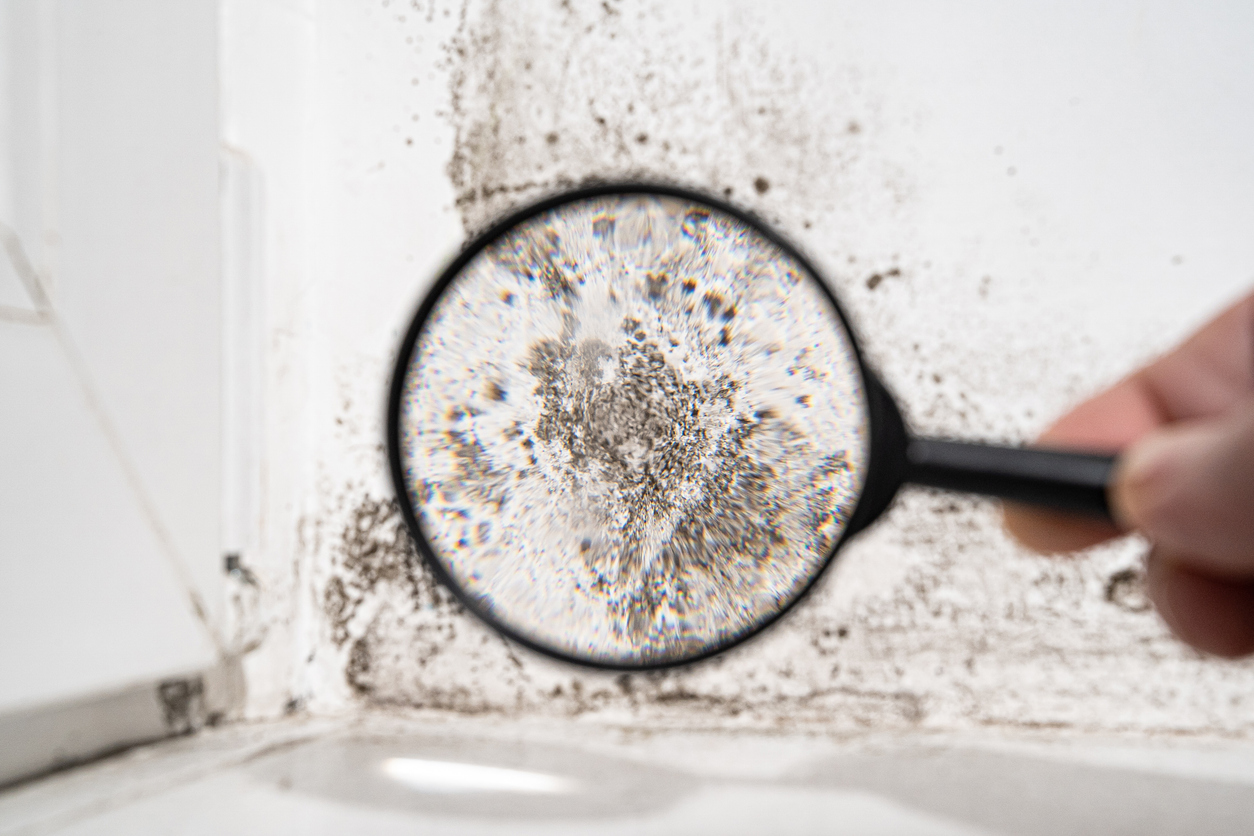
- Flat gray, white, or light black spots that are dry or powdery in texture
- Growth on grout lines or caulking
- A musty smell that disappears after cleaning
- Easy removal with household cleaning products
Unlike mold, mildew usually stays on the surface and doesn’t penetrate building materials.
What Is Bathroom Mold?
True mold differs from mildew because it’s a fuzzy, slimy organism that penetrates materials. It can grow deeper into drywall, wood, and insulation.
Signs you might be dealing with mold include:
- Dark green, black, or red growth that spreads outwards and may look raised
- Spots returning quickly after cleaning
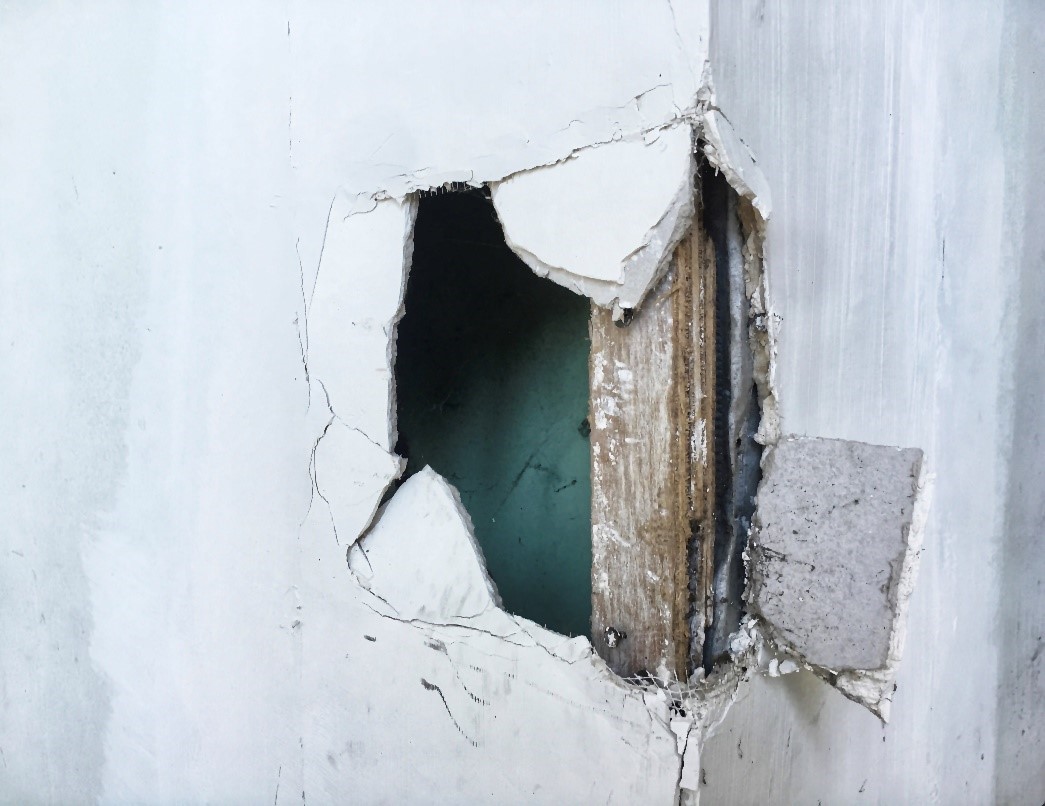
- Peeling paint or damaged drywall nearby
- Persistent musty odors
When mold grows behind walls or inside ceilings, cleaning visible spots alone doesn’t solve the underlying problem. If mold covers more than about 10 square feet, the U.S. Environmental Protection Agency recommends professional remediation.
Why Do Bathrooms in Hawaii Grow Mold Faster?
Humidity plays a major role in mold growth. Due to the weather and other environmental factors, many homes across Oahu, Maui, the Big Island, and Kauai experience indoor humidity levels above 60%, especially in bathrooms without proper airflow. Several common conditions make bathrooms vulnerable:
High Humidity Levels
Warm air holds more moisture. When shower steam cools on walls and ceilings, condensation forms. That moisture becomes a food source for mold and mildew.
Limited Air Circulation
Many bathrooms have small windows or none at all. Without airflow, humid air remains trapped after showers.
Inconsistent Exhaust Fan Use
Some fans run only when the lights are on, while others may be undersized or clogged with dust. When fans can’t remove moisture quickly, humidity lingers.
Ventilation Upgrades That Actually Work in Hawaii Bathrooms
Improving airflow in your bathroom is one of the most effective ways to stop mold from coming back. Several Hawaii ventilation upgrades make a noticeable difference in moisture control:
Install Continuous Exhaust Fans
Continuous or low-speed exhaust fans run quietly throughout the day. They constantly remove humid air from the bathroom.
Benefits include:
- Lower humidity levels
- Reduced condensation on walls and mirrors
- Less chance for mold spores to grow
Upgrade to Humidity-Sensing Fans
Humidity-sensing fans activate when moisture levels increase. This removes the guesswork of remembering to turn the fan on.
Features to look for include:
- Automatic humidity detection
- Quiet operation under 1.5 sones
- Energy-efficient motors
Increase Airflow Pathways
Ventilation works best when fresh air can enter the room. Homeowners can improve airflow by:
- Leaving bathroom doors open after showers
- Installing door undercuts or vents
- Opening windows when the weather allows
Verify Proper Fan Venting
Exhaust fans should vent outdoors. Some older homes on Oahu, Maui, the Big Island, and Kauai vent their exhaust fans into attics instead, which can trap moisture inside the home and contribute to hidden mold growth.
Cleaning Habits That Prevent Mold Regrowth
Ventilation is important, but daily habits also play a role in mold prevention. Small changes to your routine can significantly reduce moisture buildup and leave your bathroom cleaner in the process:
Wipe Down Wet Surfaces
After showering, quickly wipe down tile walls or glass panels. Removing water prevents moisture from sitting for hours.
Run the Exhaust Fan Longer
Fans should run for at least twenty minutes after showers. This allows time for humidity levels to drop.
Wash Shower Curtains and Bath Mats
These materials trap moisture and soap residue. Regular washing prevents mildew growth.
Keep Grout and Caulking Sealed
Cracked grout allows moisture to seep behind tiles. Re-sealing grout periodically reduces the chance of hidden mold growth.
When to Call a Mold Remediation Professional
Surface mildew can often be cleaned with standard bathroom products, after disposing of any contaminated porous materials. However, certain situations require professional mold evaluation.
Consider contacting a mold remediation Oahu specialist if you notice:
- Mold spreading across ceilings or walls
- Growth returns repeatedly after cleaning
- Visible damage to drywall or wood
- Strong musty odors throughout the home
Professionals can inspect hidden areas, identify moisture sources, and safely remove contaminated materials.
Frequently Asked Questions About Bathroom Mold vs Mildew
Homeowners often have questions about bathroom mold, mildew, and how ventilation affects moisture buildup in humid homes on Oahu, Maui, the Big Island, and Kauai. Here are a few of the most common questions we hear:
Is black mildew the same as black mold?
No. Mildew is usually a surface fungus, making it easier to clean. Black mold can grow deeper into materials like drywall and may require professional removal.
Can bathroom fans really help stop mold growth?
Yes. Proper ventilation removes moisture before mold spores have time to grow. Continuous exhaust fans are particularly effective in humid climates like Hawaii.
How fast can bathroom mold grow?
Under the right conditions, mold can begin to grow within 24 to 48 hours of moisture exposure. In humid environments, even a small leak or lingering condensation can quickly become a problem if the area isn’t properly dried.
Keeping Bathroom Mold Under Control
Bathrooms across Oahu, Maui, the Big Island, and Kauai are subject to constant humidity, which makes mold and mildew common problems. Understanding the difference between the two helps homeowners respond appropriately. Surface mildew can often be cleaned, but persistent mold may require professional remediation.
Improving airflow with continuous exhaust fans, humidity-sensing ventilation, and consistent cleaning habits reduces the chance of mold returning.
Ready to Address Bathroom Mold in Your Oahu Home?
If mold keeps returning in your bathroom, the problem may be deeper than surface cleaning can solve. The team at Premier Restoration Hawaii provides professional inspection and mold remediation Oahu homeowners rely on.
Contact us today to schedule an evaluation and restore a healthier environment in your home.