Popcorn Ceiling in Your Pre-1980s Condo? Here’s What You Need to Know Before Renovating
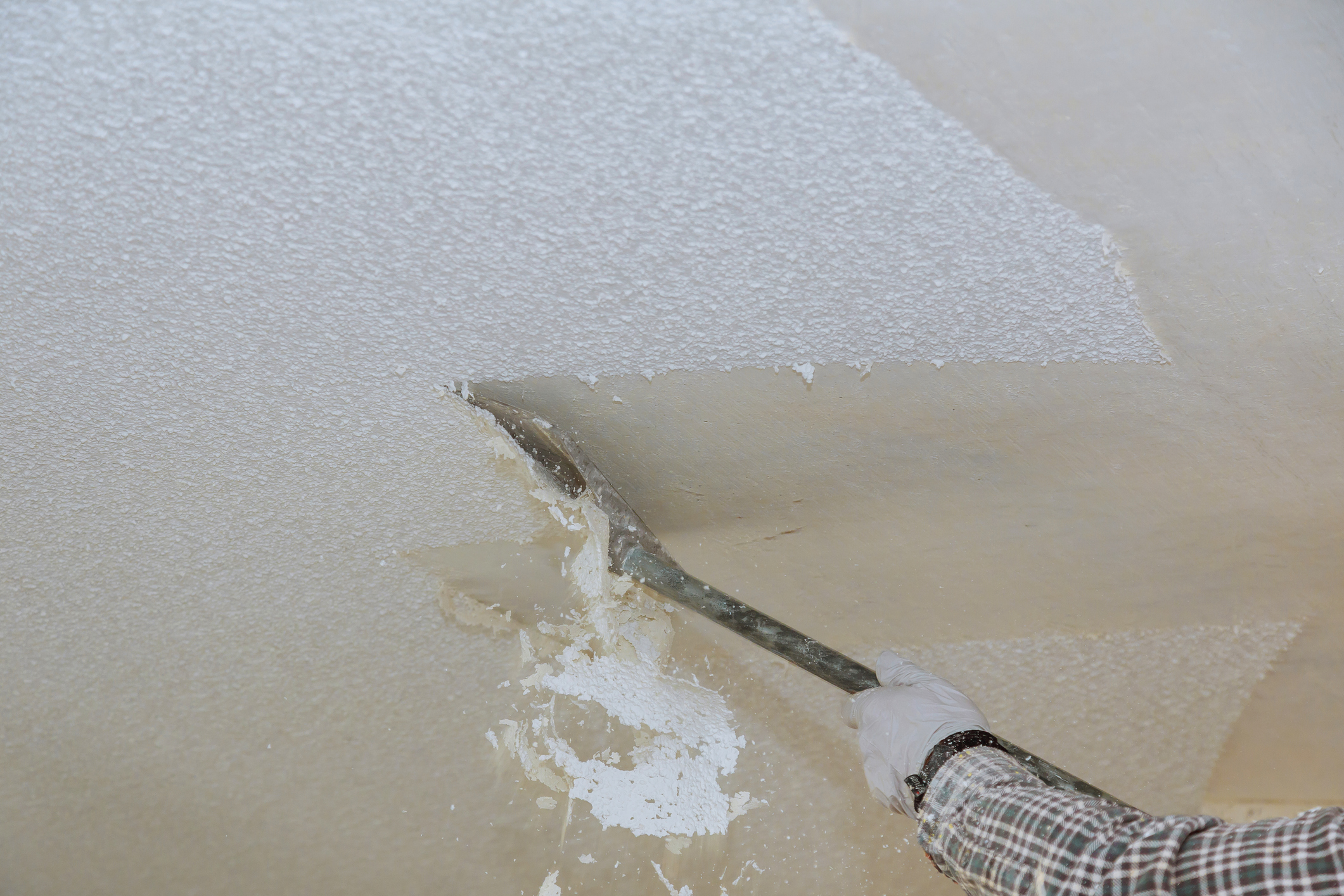
If your condo was built before 1980, that bumpy overhead texture could be more than an eyesore. Popcorn ceilings installed during the 1950s through the late 1970s were commonly made with asbestos, a mineral fiber now known to cause serious lung diseases, including mesothelioma. The catch? You can’t tell by looking at it.
Lab testing is the only way to know for certain whether your ceiling is a health hazard. Whether you’re a condo owner planning a refresh or an HOA board managing a building-wide renovation, this guide walks through what asbestos testing Honolulu involves, when Hawaii law requires licensed abatement, and the step-by-step checklist every homeowner should follow before any work begins.
Why Popcorn Ceilings in Pre-1980s Condos Are a Problem
Popcorn ceilings became popular in post-war residential construction because they were fast to apply, hid surface imperfections, and offered modest acoustic dampening. Builders and architects liked them for multi-unit housing in particular, which is why the style became standard in condo buildings across Oahu, Maui, Kauai, and the Big Island from the 1950s through the late 1970s.
What made the texture work, in part, was asbestos. Manufacturers added it to ceiling spray formulas because it improved fire resistance, bound the mixture, and enhanced durability. By the 1960s and early 1970s, it was a routine ingredient in most commercially available ceiling texture products.
The U.S. Consumer Product Safety Commission began restricting asbestos in textured paints in 1977, and the EPA moved to ban spray-on asbestos ceiling products in 1978. That ban didn’t immediately clear the supply chain; manufacturers were permitted to sell existing inventory, meaning buildings completed well into the early 1980s may have received materials manufactured before the restrictions took effect.
Understanding the Health Risks of Asbestos Exposure
Intact asbestos-containing materials in good condition pose minimal day-to-day risk. The danger emerges when those materials are cut, scraped, sanded, or otherwise disturbed. That releases microscopic fibers into the air, and they remain airborne long enough to be inhaled. Once lodged in the lungs, asbestos fibers don’t break down.
Over time, exposure is associated with serious, often fatal conditions:
- Asbestosis: Progressive scarring of lung tissue that makes breathing increasingly difficult
- Lung cancer: Risk is significantly elevated with repeated or prolonged exposure
- Mesothelioma: A rare and aggressive cancer of the lining of the lungs, chest, or abdomen, almost exclusively linked to asbestos exposure
These diseases typically don’t appear until 20 to 40 years after the initial exposure, meaning a weekend renovation project can have consequences that take decades to surface.
When Asbestos Testing Is Required in Hawaii
If you own or manage a condo built before the mid-1980s, asbestos testing should be a non-negotiable first step before any renovation that will disturb ceiling materials. Hawaii Administrative Rules (HAR) Title 11, Chapter 501 governs asbestos-related activities across the state. Under these rules, building owners and contractors are required to notify the Hawaii Department of Health before demolishing or renovating a “facility” where asbestos-containing material will be disturbed.
AHERA Protocols and What They Mean for Homeowners
The Asbestos Hazard Emergency Response Act (AHERA) is the federal framework that established standards for asbestos inspection, testing, and abatement. In Hawaii, AHERA-aligned protocols inform how inspectors collect samples, how labs analyze them, and how abatement supervisors oversee work sites.
When a contractor or inspector says they are “AHERA certified,” it means they have completed the federally approved training curriculum for their specific role: inspector, project designer, contractor/supervisor, or abatement worker.
The Safe Renovation Checklist: Step by Step
Before any renovation begins on a pre-1980s popcorn ceiling in Hawaii, follow these steps in order:
- Assume asbestos is present until testing proves otherwise
- Hire a certified asbestos inspector
- Send samples to a DOH-registered lab
- Review results and determine the path forward
- Notify the Hawaii Department of Health
- Allow the abatement team to prepare the work area
- Conduct air clearance testing before re-occupancy
- Retain all documentation
FAQs About Popcorn Ceiling Asbestos Hawaii
Condo owners and HOA boards across Oahu, Maui, Kauai, and the Big Island often have similar questions about popcorn ceiling asbestos. Here are the ones that come up most often:
Can I just paint over my popcorn ceiling to avoid dealing with asbestos?
Painting over an intact popcorn ceiling with a quality encapsulating sealant can seal in existing fibers and is generally considered a safe management approach when the ceiling is in stable condition.
However, this only works if the material is not damaged, not crumbling, and will not be disturbed by other renovation work. It also does not eliminate the asbestos, so any future work that penetrates the ceiling will still require proper testing and abatement procedures.
Does Hawaii law require asbestos testing before I renovate my condo?
Hawaii Administrative Rules require notification to the DOH and the use of licensed abatement contractors when renovation work will disturb regulated asbestos-containing material in covered facilities, which include condominiums.
While a single-family home with four or fewer units has some exemptions under state rules, most multi-unit condo buildings are subject to the full notification and abatement requirements.
How do I find a licensed asbestos contractor in Hawaii?
The Hawaii Department of Health maintains a publicly available list of registered abatement entities on its website, updated periodically throughout the year. Look for contractors who are registered with the DOH and whose supervisors hold current AHERA certification.
Premier Restoration Hawaii is a licensed abatement contractor with AHERA-certified supervisors and in-house certified inspectors, serving Oahu, Maui, Kauai, and the Big Island.
Before You Pick Up a Single Tool, Be Smart
If your condo or building was built before 1980, the right sequence is always: test first, renovate second. Skipping that step to save a few hundred dollars in testing costs can lead to far more expensive remediation, regulatory fines, and health consequences for residents and workers that no one will see coming for decades.
Hawaii’s regulatory framework, the state’s older housing stock, and the close-quarters nature of condo living all make proper asbestos protocols especially important across Oahu, Maui, Kauai, and the Big Island.
Ready to Get Your Property Tested for Asbestos?
Premier Restoration Hawaii’s AHERA-certified inspectors and licensed abatement teams serve Oahu, Maui, Kauai, and the Big Island, handling everything from initial testing to complete abatement and project documentation. Whether you’re a homeowner planning a ceiling update or an HOA board preparing for a building-wide renovation, we can keep your project moving safely and in full compliance with state requirements.
Contact Premier Restoration Hawaii or call (808) 873-8886 to schedule an assessment.