
Structural Drying in Hawaii Gets Rid of the Damage Left Behind You Can’t See
Water damage in Hawaii rarely stays on the surface. Moisture moves fast through drywall, wood framing, and subfloor systems, especially in warm, humid conditions. Even after standing water is removed, damp materials can continue breaking down if drying is incomplete or rushed.
Structural drying focuses on removing moisture trapped deep inside building materials. Premier Restoration Hawaii uses targeted drying plans and moisture monitoring to stabilize properties and reduce the risk of long-term damage. This step plays a critical role in protecting the structure before repairs or reconstruction begin.
Identifying Structural Drying Challenges in Hawaii Properties
We start with identifying where moisture is trapped and how it’s moving through the structure. Commercial-grade air movers, dehumidifiers, and moisture tracking tools are used to dry materials evenly while controlling indoor humidity levels.
Other Services
Structural Drying FAQs
Structural drying often raises questions because much of the work happens out of sight. The answers below explain why this step is so important during recovery.
Surface drying only removes moisture you can see. Water often stays trapped inside walls, floors, and framing long after surfaces feel dry. Without proper drying, materials can weaken or deteriorate over time.
Hidden moisture is commonly found in:
- Wall cavities
- Subfloors
- Insulation
- Structural framing
Drying time depends on how much water entered the structure, the materials involved, and indoor conditions. Hawaii’s humidity can slow evaporation, making controlled drying especially important.
Drying timelines are influenced by:
- Type of materials affected
- Depth of moisture penetration
- Airflow and humidity levels
- Size of the affected area
Moisture meters and monitoring tools track moisture levels throughout the process. Drying continues until materials reach safe, stable levels suitable for repair or reconstruction.
Moisture monitoring helps confirm:
- Drying progress
- Hidden damp areas
- When equipment can be removed
- Readiness for next restoration steps

Service Blogs


24/7 Emergency Services
Ready to Get Started?
Start Structural Drying with the Best Restoration Team in Hawaii
Moisture left behind can continue damaging a property even after cleanup looks complete. Proper structural drying protects materials, shortens recovery time, and supports better repair outcomes.
If your property has experienced water intrusion, early drying can limit damage and reduce the need for major repairs. A controlled drying plan helps stabilize the structure before restoration moves forward.
Structural Drying Insights & Resources
Understanding how moisture behaves inside a structure helps property owners make better decisions after water damage. Explore guidance and insights from one of Hawaii’s most experienced restoration teams.
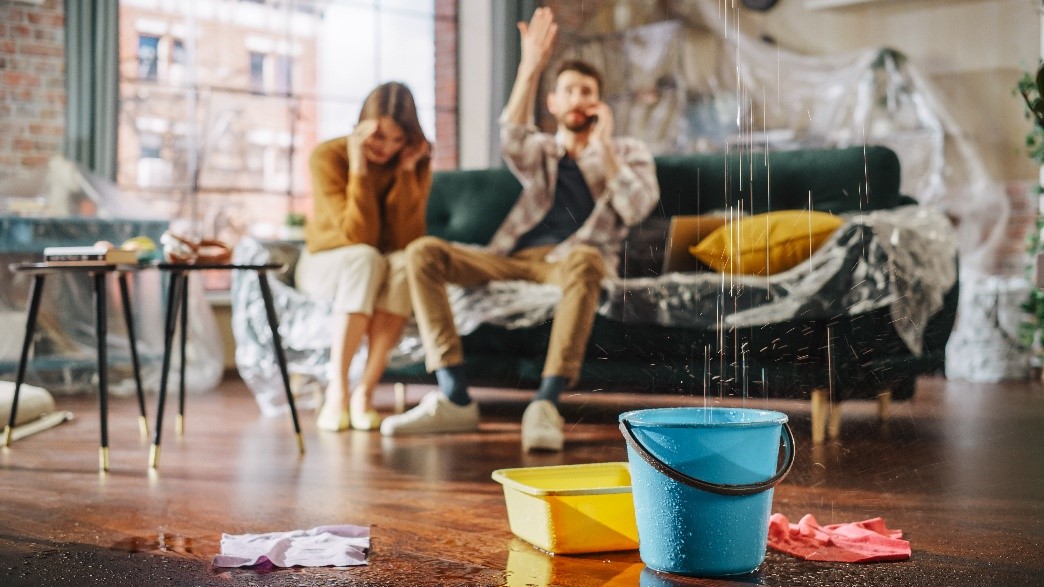
What Happens When Water Damage Is Left Untreated?
When residential water damage is ignored, the effects go far beyond what you can see on the surface…

What are the Signs of Water Damage in Walls?
Water damage can happen slowly and unexpectedly, compromising your home’s structure and indoor air quality. Identifying the early…

Signs of Hidden Water Damage in Your Home
Water can damage a home or any building due to a burst pipe, an overflowing sink, or many…
