Corrosion After Water Damage in Hawaii: What to Inspect and Replace
Your building is dry, the fans are gone, and the lights are back on. So why is your air handler failing three months later? In Hawaii, corrosion after water damage often shows up well after the visible cleanup ends. Salt carried in on ocean air settles onto damp wiring, coils, and circuit boards, and it keeps eating away at metal as long as humidity stays high.
For commercial properties on Oahu, Maui, the Big Island, and Kauai, that delayed damage can mean tripped breakers, failed compressors, and fire risk. Learn why post-flood corrosion happens, which electrical and HVAC components need checking, and how professional water damage restoration and follow-up care can stop it from spreading.
A Quick Glance at Corrosion After Water Damage
- Salt air and lingering moisture can corrode electrical and HVAC components for weeks or months after a building looks dry.
- Submerged breakers, GFCIs, receptacles, and most wiring should be replaced rather than dried and reused.
- HVAC coils, control boards, contactors, and blower motors are especially vulnerable in coastal Hawaii conditions.
- A licensed post-flood electrical inspection should happen before any wet equipment is re-energized.
- Dehumidification, fresh water rinsing, protective coatings, and scheduled follow-up inspections prevent long-term damage.
Why Does Corrosion Start After Flood Damage Has Dried?
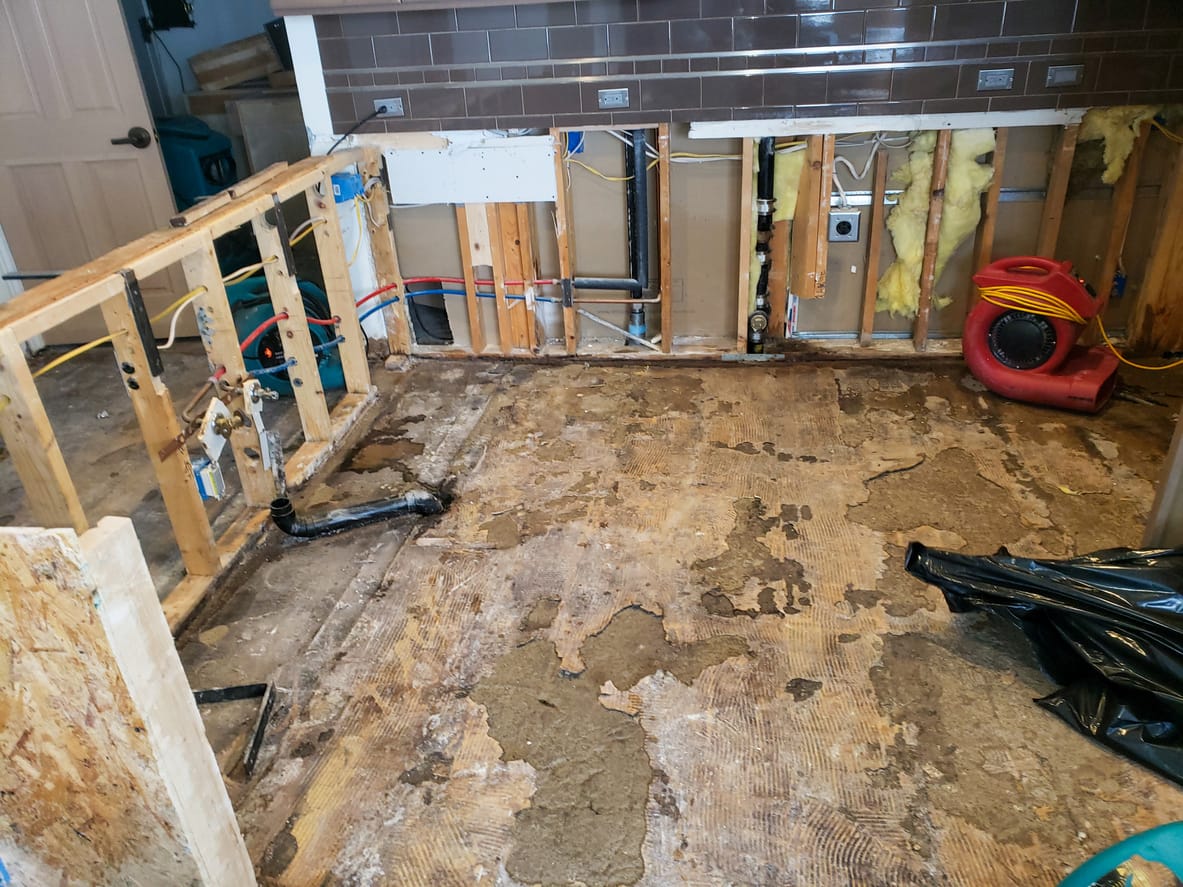
“Dry” usually refers to walls, floors, and framing that have reached target moisture levels. Metal components tell a different story. Floodwater leaves behind a thin film of minerals, dirt, and chlorides inside panels, connectors, and equipment housings. That residue doesn’t evaporate with the water, and it becomes the starting point for corrosion that can take weeks to become visible.
How Does Salt Air Speed Up the Damage?
Salt is hygroscopic, which means it pulls moisture out of the air. Sodium chloride begins absorbing water at roughly 75% relative humidity, forming a conductive film on metal surfaces even when nothing looks wet. Once that film forms, copper, aluminum, and steel start to oxidize. Add the salt residue from floodwater to the salt already carried in on trade winds, and the reaction runs much faster than it would inland.
Why Are Hawaii Properties at Higher Risk?
Coastal buildings across Hawaii face a constant supply of airborne salt. A resort on Maui’s west side, an office tower near the water in Honolulu on Oahu, and a warehouse near Hilo on the Big Island all breathe the same marine air through their HVAC intakes. Kauai’s frequent rainfall adds another layer of persistent moisture. When a flood soaks equipment in that environment, residual moisture has little chance to fully leave on its own.
Which Electrical Components Need a Post-Flood Electrical Inspection?
Any electrical equipment that was submerged or sprayed should be evaluated by a licensed electrician before it is powered back on. Water and salt can compromise insulation, trip mechanisms, and internal contacts in ways you can’t see from the outside. The National Electrical Manufacturers Association (NEMA) publishes guidance on which water-damaged equipment should be replaced and which may be reconditioned.
Which Parts Usually Need Replacement?
These components are typically replaced after submersion during a flooding event:
- Circuit breakers and fuses: Internal mechanisms can corrode and fail to trip during an overload.
- GFCI and AFCI devices: Their sensitive electronics rarely recover from water and salt exposure.
- Receptacles and switches: Corroded contacts create heat and arcing risks.
- Wire and cable not rated for wet locations: Water trapped inside insulation can cause failures months later.
- Smoke detectors and fire alarm devices: Life safety equipment should never be reused after flooding.
What Can Be Tested or Reconditioned?
Larger, more expensive equipment is sometimes eligible for professional reconditioning. Switchboards, panelboards, transformers, and motor controls may be cleaned, dried, and tested by the manufacturer or a qualified service provider. This decision depends on water type, exposure time, and the equipment’s condition. On a flooded property on Oahu or Kauai, saltwater or brackish floodwater usually pushes the decision toward replacement.
How Does Salt Air Corrosion Affect HVAC Systems?
HVAC equipment moves huge volumes of air, which means it also pulls in huge volumes of salt. After a flood, salt air corrosion in HVAC systems accelerates because coils, drain pans, and electrical controls stay damp longer than surrounding materials. The result is often a system that runs fine for a few weeks and then loses efficiency or fails completely.
What Happens to Coils and Outdoor Units?
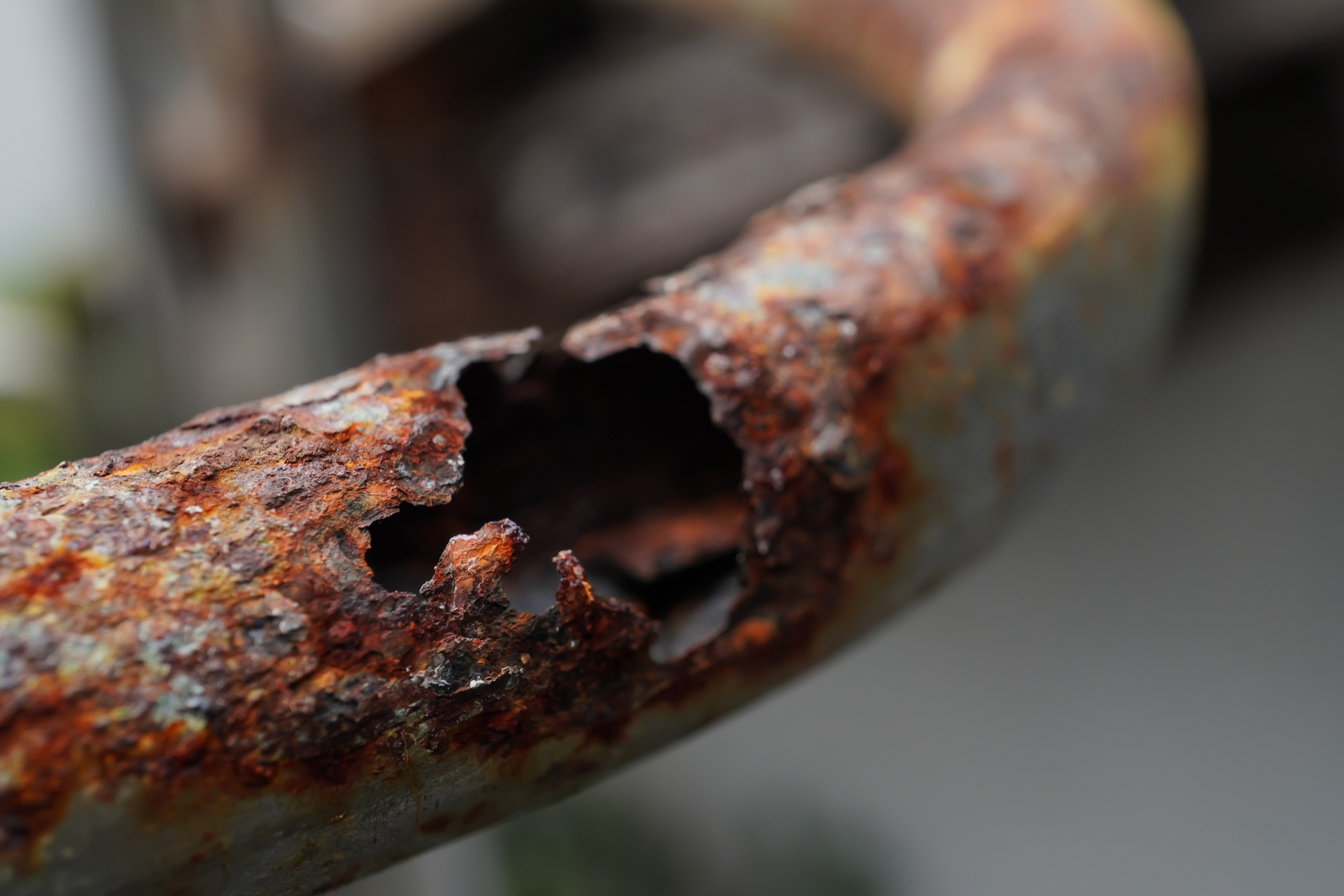
Evaporator and condenser coils are usually made of thin copper tubing with aluminum fins. When those two metals sit in salty moisture, galvanic corrosion eats away at the aluminum. Fins flake, airflow drops, and refrigerant leaks can develop through pinholes in the tubing. Rooftop units and condensers on the Big Island and Maui, where many properties sit close to the shoreline, often show this damage first.
Controls, Motors, and Ductwork
The less visible parts of an HVAC system are just as vulnerable. After a water loss, have a qualified technician check:
- Control boards and thermostats for corroded traces and connections
- Contactors and capacitors, which can pit and fail under load
- Blower and fan motors for moisture in the windings and seized bearings
- Lined or insulated ductwork, which can hold moisture and support mold growth
- Drain pans and condensate lines for rust, clogs, and standing water
What Are the Warning Signs of Hidden Corrosion?
Corrosion often reveals itself through small changes before a major failure. Property and facility managers should watch for:
- Breakers that trip repeatedly or feel warm to the touch
- Flickering lights or outlets that stop working intermittently
- A burning, metallic, or musty smell near panels or air handlers
- HVAC systems that run longer, cool unevenly, or short-cycle
- Visible white, green, or reddish buildup on terminals, coils, or housings
If you notice any of these signs after a flood, shut off the affected equipment if it’s safe to do so and call a licensed professional. The Electrical Safety Foundation International (ESFI) offers additional guidance on electrical hazards after water exposure.
How Can You Prevent Long-Term Corrosion After Water Damage in Hawaii?
Prevention starts during the drying process, not after it. The goal is to remove salt residue, drive humidity down quickly, and keep it low while reconstruction moves forward. For properties on every island, a coordinated plan protects both the building and the equipment inside it.
A thorough post-flood process for electrical and HVAC protection typically follows this order:
- Keep power off to affected circuits until a licensed electrician completes a post-flood electrical inspection.
- Document all damage with photos and moisture readings for your insurance claim.
- Run commercial dehumidification to bring indoor humidity below 50% as quickly as possible through structural drying.
- Clean salt and silt residue from salvageable equipment using fresh water and approved cleaners.
- Replace compromised components rather than reinstalling parts that may fail later.
- Choose corrosion-resistant materials during reconstruction, such as coated coils, sealed enclosures, and wet-rated wiring where appropriate.
Ongoing Maintenance for Coastal Properties
Long-term protection depends on routine care. Rinsing outdoor coils with fresh water every few months removes salt buildup before it causes damage. Protective coil coatings add a barrier against marine air. Scheduling follow-up inspections at roughly 30 and 90 days after a water loss catches early corrosion before it becomes a costly failure. Controlling indoor humidity also reduces mold risk, which pairs well with mold-resistant reconstruction.
Protecting Your Building Long After the Water Is Gone
A flood doesn’t end when the floors are dry. Across Hawaii, salt air and humidity can keep damaging electrical and HVAC systems for months. Replacing compromised parts, controlling moisture, and scheduling follow-up inspections protect your equipment, your tenants, and your investment.
Schedule a Post-Dry-Out Assessment in Hawaii
Premier Restoration Hawaii helps commercial property owners recover from water damage and rebuild with long-term protection in mind. Contact us or call 808-873-8886 to schedule an assessment for your property.