Water Damage Reconstruction in Hawaii: Building Back Mold-Resistant
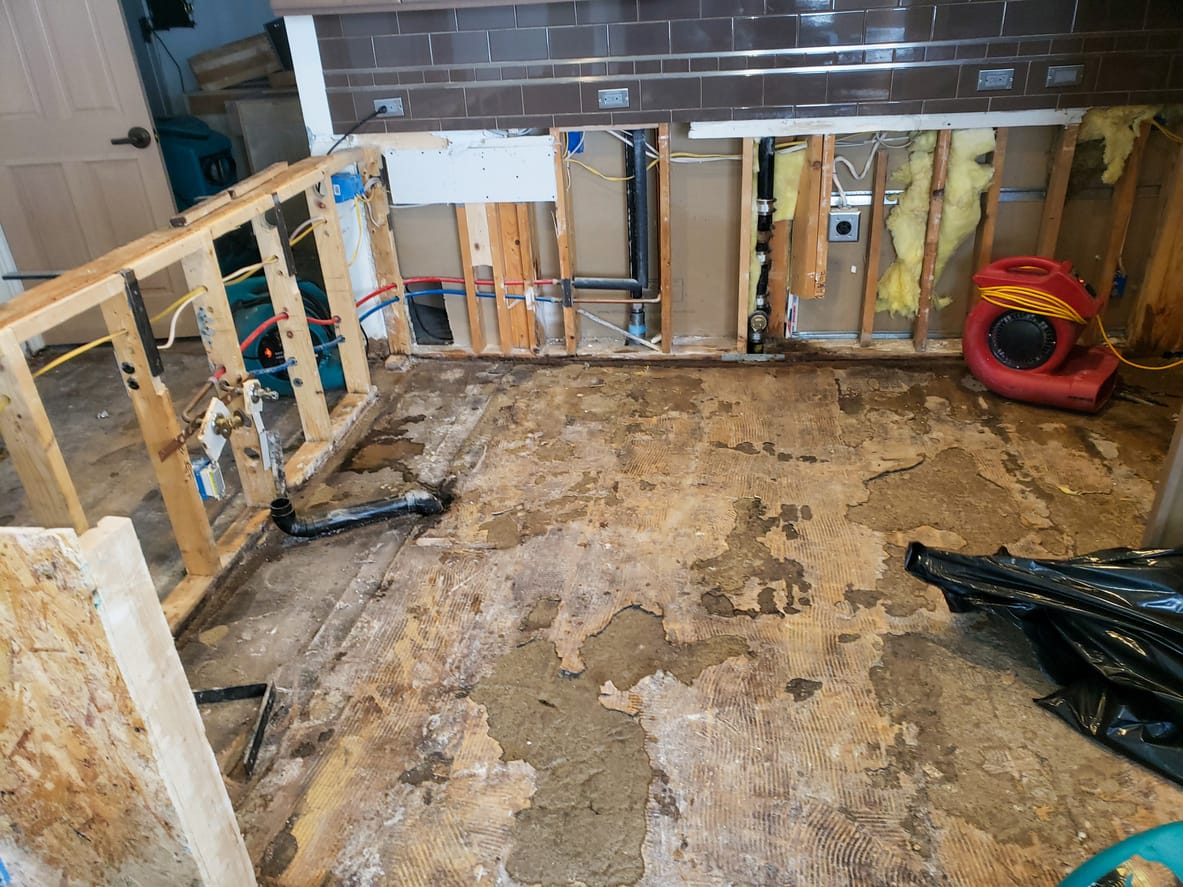
Water damage doesn’t end when the drying equipment leaves. If your rebuild uses the same materials that failed the first time, you’re setting up for a repeat problem, often hidden inside walls until it’s a health issue. Reconstruction after water damage in Hawaii is the point at which you can actually get ahead of mold rather than chasing it later.
This guide covers the materials and methods that make a build-back mold-resistant from the start: antimicrobial coatings, mold-resistant drywall, and vapor-smart paints. Whether you’re rebuilding a kitchen in Oahu or a bathroom in Maui, the right choices now save you from a second mitigation call later.
Quick Takeaways About Water Damage Reconstruction
- Mold-resistant drywall and antimicrobial coatings reduce the moisture that mold needs to grow back.
- Vapor-smart paints let walls breathe without trapping humidity behind the surface.
- Material choice matters more in humid climates, including homes across Oahu, Maui, the Big Island, and Kauai.
- A proper moisture reading before rebuild starts prevents sealing damp materials behind new drywall.
- Professional reconstruction after water damage should always include a plan for future prevention, not just repair.
Why Standard Materials Fail in Hawaii’s Climate
Standard building materials are often tested and rated for mainland climates with lower average humidity. Homes in Kauai and the Big Island regularly deal with moisture levels that push ordinary drywall and paint past their limits, and that’s exactly why so many homeowners see mold return within a year or two of a standard repair.
Is It the Material or the Moisture?
Usually both. Even the best mold-resistant products won’t help if moisture is still trapped in framing or subfloor when the wall goes back up. This is why a reconstruction plan always starts with confirming the space is fully dry, not just visibly dry.
Materials That Actually Prevent Mold Regrowth
Once a space is confirmed dry, the materials used to rebuild it make the biggest difference in whether mold can return. Here’s what to look for in each category:
Mold-Resistant Drywall
Mold-resistant drywall uses a fiberglass facing instead of standard paper, which gives mold spores far less to feed on. It costs a bit more upfront, but it is a smart standard for bathrooms, kitchens, and any wall that has experienced water intrusion. Homeowners across Oahu and Maui are increasingly requesting it as a default in rebuilds, not just an upgrade.
Antimicrobial Coatings
Antimicrobial coatings can be applied to studs, subfloor, and other structural materials before drywall goes back up. These coatings create a surface that mold struggles to colonize, adding a layer of protection that’s invisible once the wall is closed. According to the EPA’s guidance on mold prevention, controlling moisture at the source remains the most effective long-term strategy, and antimicrobial treatments work best as a complement to that, not a replacement.
Vapor-Smart Paints
Traditional paint can trap moisture vapor inside a wall cavity, which is part of why mold shows up months later behind painted surfaces. Vapor-smart (or “smart vapor retarder”) paints allow walls to release excess humidity while still blocking bulk water. This matters especially in island homes near the coast, where humidity swings are more extreme than in inland mainland climates.
How Insurance Fits Into a Mold-Resistant Rebuild
Upgrading to mold-resistant materials raises a common question: Will insurance cover the cost? Here’s what typically factors into that conversation:
Does Insurance Cover Upgraded Materials?
This depends on your policy, but many carriers will cover like-for-like replacement while treating upgraded materials as an out-of-pocket difference. It’s worth asking your adjuster directly whether mold-resistant materials qualify as a covered upgrade given the water loss history. A restoration company experienced with Hawaii-based insurance claims can help you make that case clearly.
What Documentation Should You Keep?
Keep all moisture readings, photos, and material invoices from both the mitigation and reconstruction phases. This documentation supports your claim and provides a maintenance record if questions arise later. A lack of thorough documentation is one of the most common problems that slow down claim resolution.
Frequently Asked Questions
How long after water damage should reconstruction start?
Reconstruction should begin only after moisture readings confirm the space is fully dry, which typically takes 3–5 days after mitigation for standard drywall and framing. Starting too early risks sealing moisture behind new materials, which defeats the purpose of a mold-resistant rebuild.
Your restoration team should provide documented moisture readings before any rebuild work begins. If the readings are borderline, it’s worth waiting an extra day rather than risking a repeat of the problem.
Is mold-resistant drywall worth the extra cost?
In humid environments like those found across the Hawaiian islands, yes, mold-resistant drywall is generally worth the modest price difference. It’s most valuable in bathrooms, kitchens, laundry rooms, and any area with a history of water exposure.
For low-moisture rooms without prior water issues, standard drywall is usually sufficient. Ask your contractor to prioritize it where it matters most, rather than defaulting to it everywhere.
Can antimicrobial coatings be added to an existing rebuild?
Antimicrobial coatings are most effective when applied to exposed studs and subfloor before drywall is installed, so timing matters. If your rebuild is already closed up, retrofitting typically requires opening the wall, which isn’t always practical. This is why it’s worth raising the topic with your reconstruction team early, ideally during the mitigation walkthrough. Planning ahead avoids a second round of work down the line.
Building Back Smarter, Not Just Faster
A mold-resistant rebuild costs a little more time and material upfront, but it’s far less expensive than a second mold remediation down the road. Whether your home is in Oahu, Maui, the Big Island, or Kauai, the right materials and moisture-first approach protect your investment for years, not months.
Ready to Rebuild the Right Way?
The team at Premier Restoration Hawaii handles reconstruction after water damage with mold prevention built into every step, not added as an afterthought. Contact us online or call (808) 873-8886 to schedule a consultation and start your rebuild with materials designed to last.