High-Rise Sewage Backup: Your First 2-Hour Action Plan
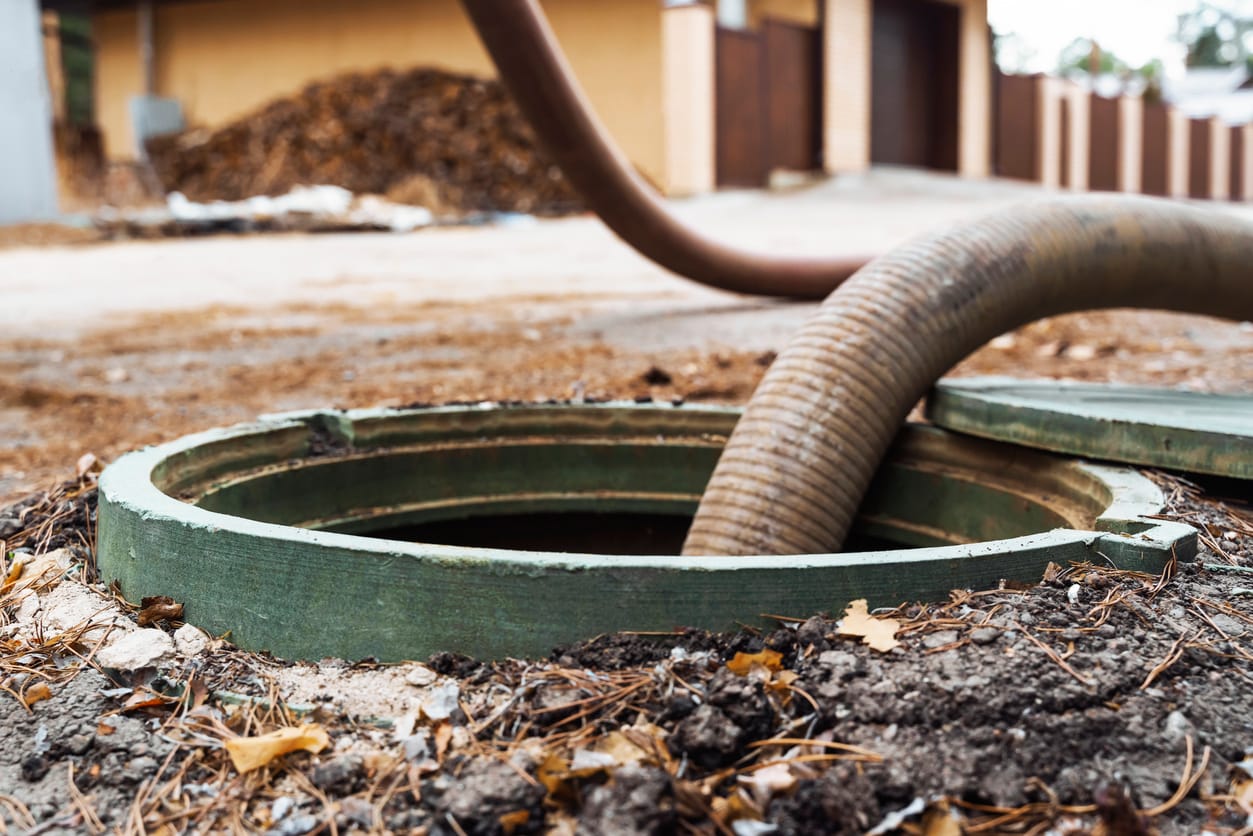
A sewage backup in a high-rise or multi-unit building is not just an inconvenience—it’s a category 3 water emergency that puts residents, shared spaces, and the building itself at risk. If you’re a condo owner or HOA board member on Oahu, Maui, the Big Island, or Kauai, knowing what to do in the first two hours can mean the difference between a contained incident and a building-wide contamination event.
Category 3 water—which includes raw or contaminated sewage—carries bacteria, pathogens, and other hazardous materials that require professional handling. In Hawaii’s warm, humid climate, those risks escalate fast. This guide covers the immediate safety steps, how to limit spread, what can be salvaged, and how to begin the insurance coordination process.
Sewage Backup Cleanup at a Glance
- Sewage backups in multi-unit buildings are category 3 water events and require professional cleanup, not DIY response.
- In the first two hours, the priority is safety: evacuate affected areas and stop the source if possible.
- HOAs should activate their emergency response plan and document everything before cleanup begins.
- Porous materials like carpet and drywall typically cannot be salvaged after category 3 exposure.
- Insurance coverage depends heavily on how quickly the incident is reported and documented.
Why High-Rise Sewage Backups Are Different
A sewage backup on the third floor of a mid-rise in Honolulu behaves very differently from one in a single-family home. In a high-rise or multi-unit building, gravity works against everyone below the point of failure. Wastewater can travel through floor drains, elevator shafts, shared wall cavities, and HVAC systems, affecting units that have nothing to do with the original source.
In Hawaii, older plumbing systems in high-rises across Oahu and Maui can be particularly vulnerable to blockages and pressure failures. What looks like a single-unit problem can quickly become a multi-floor category 3 water event if not contained immediately.
What Is Category 3 Water?
Category 3, often referred to as black water, is the most hazardous classification of water damage. It includes water from sewage systems, toilet overflows with feces, and any water that has come into contact with raw waste. Unlike category 1 (clean water) or category 2 (gray water), category 3 water cannot be dried in place—affected materials must be assessed for removal by a certified restoration professional.
High-rise residents on the Big Island and Kauai should be aware that even indirect exposure—such as sewage water traveling through a shared drain or backing up into a bathtub—still qualifies as a category 3 event.
Immediate Safety Steps: The First 30 Minutes
The moment a sewage backup is confirmed, the clock starts. The decisions made in the first half-hour largely determine how far contamination spreads and how long recovery takes.
What Residents Should Do Right Away
Do not attempt to clean up sewage water yourself. Even brief contact with category 3 water poses health risks, and household equipment like mops, fans, or shop vacs can spread contamination further.
- Vacate the affected area immediately and keep others out
- Avoid contact with standing water, wet surfaces, or saturated materials
- Do not run exhaust fans or portable fans—airflow can spread airborne contaminants
- Turn off the HVAC system in the affected unit if you can do so safely
- Call your building management or HOA emergency line right away
Locating and Stopping the Source
In many high-rise buildings on Oahu or Maui, the shutoff for the water supply is located in a mechanical room or requires building staff to access. Notify building management immediately so they can shut off the appropriate water supply lines and begin assessing the plumbing system to stop the source of the backup. Do not attempt to open drain cleanouts, plumbing access panels, or floor drains on your own.
HOA Responsibilities in the First Two Hours
HOA boards and property managers carry a higher level of responsibility during a sewage event in a multi-unit building. Acting quickly and documenting that action protects both the residents and the association.
Activate Your Emergency Response Plan
Every HOA in Hawaii should have a written emergency response plan that identifies who to call, in what order, and what documentation is required. If your association does not have one, this incident is the prompt to build one.
In the first two hours, HOA responsibilities typically include:
- Notifying all potentially affected residents, including floors below the source
- Contacting a licensed, certified restoration contractor immediately
- Securing the affected area to prevent foot traffic and further contamination
- Beginning photo and video documentation of all visible damage
Documenting Damage Before Cleanup Begins
One of the most common mistakes HOAs make after a sewage backup is allowing cleanup to begin before thorough documentation is complete. Insurance carriers—and in some cases, legal proceedings—require clear evidence of the original damage.
Walk every affected common area and unit (with permission) and photograph standing water, saturated materials, and visible contamination before any extraction or removal begins. Time-stamp everything.
What Can Be Cleaned vs. What Must Be Replaced
Not everything in a sewage-affected space is a total loss, but category 3 water damage requires a more aggressive approach to material assessment than other types of water damage. Restoration professionals follow IICRC guidelines when making these determinations.
Materials That Typically Cannot Be Salvaged
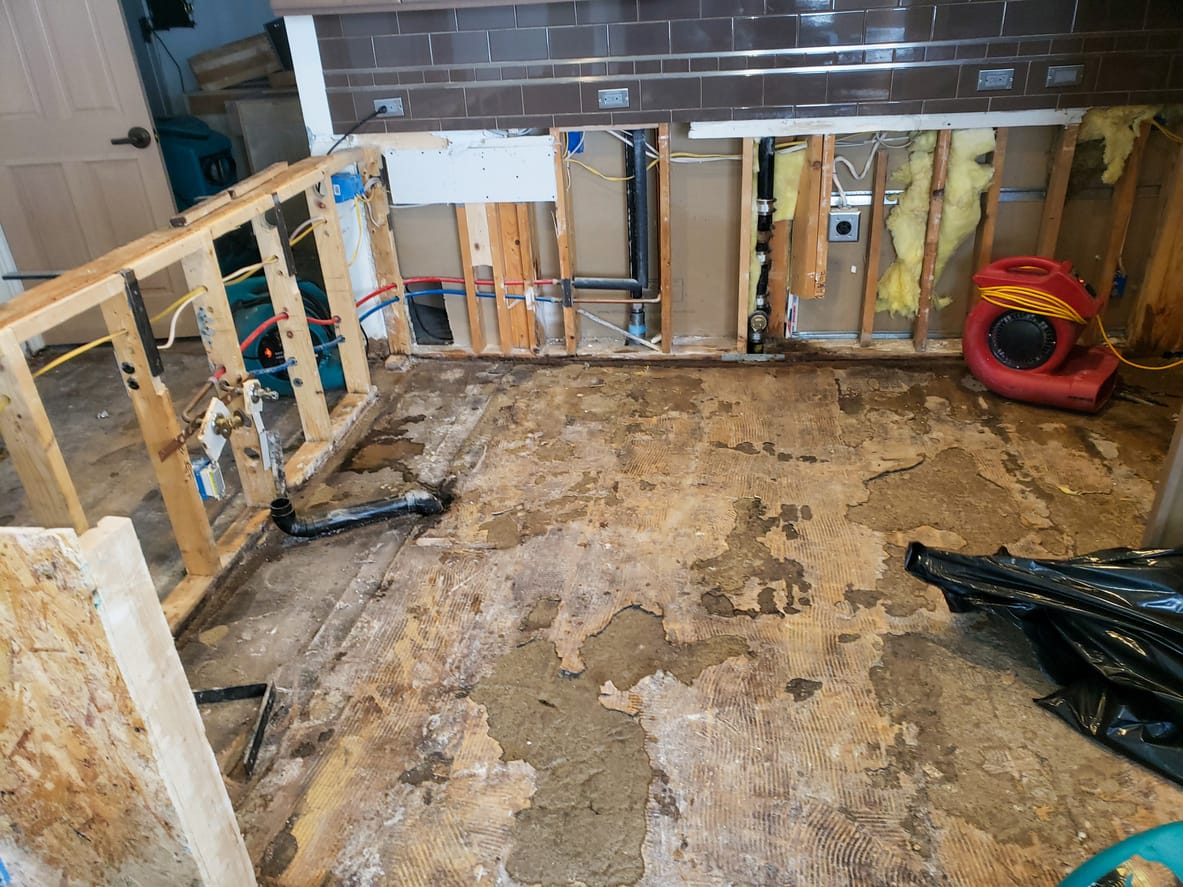
Porous materials that have been saturated with category 3 water generally cannot be decontaminated and must be removed:
- Carpet and carpet padding
- Drywall below the flood line
- Insulation inside wall cavities
- Ceiling tiles
- Upholstered furniture and mattresses
- Particleboard cabinetry
Materials That May Be Restorable
Non-porous and semi-porous materials may be salvageable with proper cleaning and disinfection by certified professionals:
- Sealed concrete or tile flooring
- Solid wood framing (once dried and treated)
- Metal fixtures and hardware
- Glass, sealed stone, and porcelain surfaces
- Some solid wood furniture, depending on the saturation level
Every situation is different. What can be restored depends on how long the materials were exposed, the extent of saturation, and the temperature and humidity conditions at the time—all factors that trained restoration professionals assess on-site. Premier Restoration Hawaii‘s crews serve Oahu, Maui, the Big Island, and Kauai and can provide a thorough assessment before any removal decisions are made.
FAQs About High-Rise Sewage Backups in Hawaii
Who is responsible for a sewage backup in a condo?
Responsibility depends on where the backup originated. If the source is a shared plumbing line, main stack, or building system, the HOA typically bears primary responsibility for the cleanup and associated costs. If the backup originated within an individual unit—such as a toilet overflow caused by the resident—that unit owner’s insurance is usually the first line of coverage.
In practice, many high-rise sewage events involve both parties, especially when damage spreads to multiple units or common areas. Consulting both your individual carrier and the HOA’s master policy carrier at the same time is the most effective way to avoid gaps in coverage.
Does condo insurance cover sewage backup damage?
Standard condo policies often do not include sewage backup coverage by default—it is frequently offered as a separate endorsement or rider. If you have not specifically added sewage or water backup coverage to your policy, you may find that your carrier denies a claim related to this type of event. For residents in Hawaii high-rises on Oahu, Maui, the Big Island, and Kauai, reviewing your policy before an incident happens is strongly recommended.
The Hawaii Department of Commerce and Consumer Affairs oversees insurance licensing and can provide consumer resources if you have questions about your coverage. When in doubt, speak directly with your insurance agent about what water-related events are and are not covered under your current plan.
What should be documented before cleanup begins?
Thorough documentation is one of the most important steps you can take to protect an insurance claim, and it needs to happen before any extraction or material removal begins:
- Walk every affected area—both in the unit and in any common spaces—and photograph or video all standing water, saturated materials, and visible contamination
- Make note of the time and date the backup was discovered, who was notified, and what steps were taken in response
- Save any written communications between residents, building management, and contractors, as these records establish the timeline of the event
Insurance carriers and, in some cases, legal proceedings rely heavily on this documentation when determining the scope of loss and coverage responsibility.
What Every Hawaii High-Rise Resident and HOA Should Know
A sewage backup in a multi-unit building is a serious event, but a fast, coordinated response limits how far it goes. The first two hours matter most: evacuate affected areas, stop the source if possible, document everything, and get a certified restoration crew on-site before secondary damage begins. Individual residents and HOA boards each play a distinct role, and understanding that division of responsibility before an incident happens is the best preparation anyone can do.
Sewage events happen in high-rises across Oahu, Maui, the Big Island, and Kauai. The buildings, the plumbing systems, and the climate are different from the mainland—and so is the response timeline.
Ready to Get Help from a Local Team?
When sewage water enters a condo or multi-unit building, fast action by certified professionals protects residents, limits structural damage, and supports a stronger insurance claim. Premier Restoration Hawaii provides 24/7 emergency response across Oahu, Maui, the Big Island, and Kauai.
Call us at (808) 873-8886 or contact our team online to get a crew on-site fast.