Document Drying in Honolulu: What to Do When Sprinklers Soak Your Files
A fire sprinkler system can save a building in minutes, but it can just as easily destroy years of paperwork. If your office, school, or clinic in Honolulu just watched file cabinets turn into puddles, you already know the panic that follows. Document drying in Honolulu works best within the first 24 to 48 hours, so the decisions you make right now matter more than you might think.
This guide walks through what happens to paper records after a water event, how professional drying methods like freeze drying actually work, and when it’s time to stop troubleshooting and call in help. Whether you’re managing patient charts on Oahu or student files on Maui, the goal is the same: get your records dry, readable, and compliant before mold or deadlines catch up with you.
Document Drying at a Glance
- Wet paper records need action within 24 to 48 hours to prevent mold growth and permanent ink loss.
- Freeze drying is the industry standard for saving large volumes of wet documents without warping or smearing.
- Healthcare offices need HIPAA-compliant restoration, not just a fan and a hope.
- DIY drying works for a handful of pages, but professional help is worth it for boxes, binders, or anything time-sensitive.
- Restoration teams across Hawaii, from Kauai to the Big Island, use the same proven recovery process regardless of island.
Why Paper Records Are So Vulnerable After a Water Event
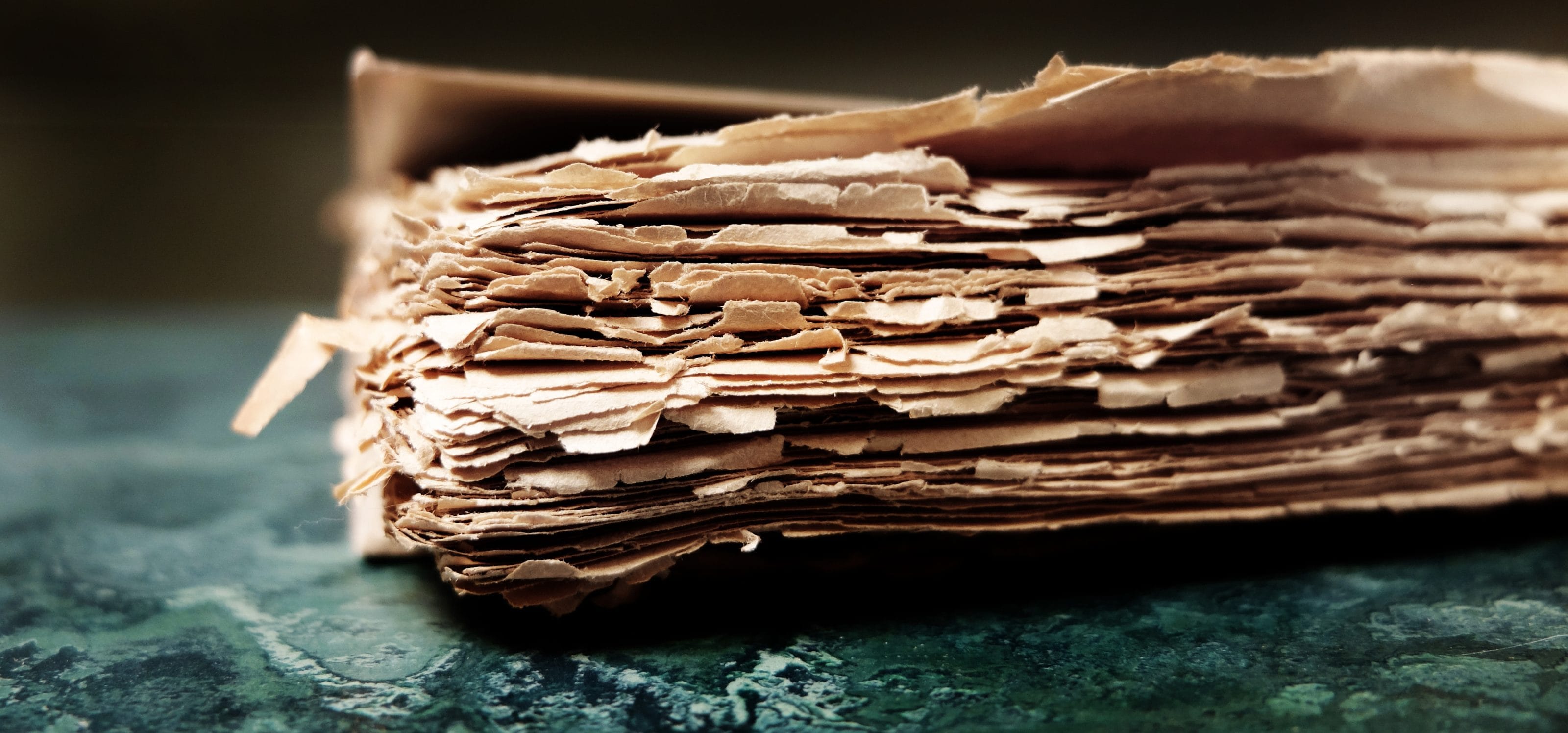
Paper starts absorbing moisture the second it gets wet, and it doesn’t stop until something intervenes. Left alone, damp pages swell, ink bleeds, and pages fuse together into a solid, unreadable block within a day or two.
How Fast Does Mold Grow on Wet Paper?
Mold spores can take hold on wet paper in as little as 24 to 48 hours in Hawaii’s warm, humid climate. That window shrinks even further in a closed file room with poor airflow, which is exactly where most business records are stored. Once mold sets in, a document that was still legible may need to be treated as a total loss.
Common Sources of Document Damage in Commercial Buildings
Sprinkler discharge is only one culprit. Offices and clinics across the islands typically see water damage to paper records from a handful of repeat offenders:
- Fire sprinkler activation, whether from an actual fire or a false trigger
- Burst pipes or plumbing failures above storage rooms
- Roof leaks during heavy rain, common on Kauai and windward Oahu
- HVAC condensation pooling near file cabinets
- Storm surge or flooding in ground-floor offices near the coast
How Document Drying Works
Professional document drying isn’t just about air-drying pages on a table. It’s a controlled process designed to remove moisture without destroying the paper fibers or the information printed on them.
What Is Freeze Drying and Why Does It Matter?
Freeze drying documents involves freezing wet paper solid, then using a vacuum chamber to convert the ice directly into vapor, a process called sublimation. Because the paper never fully re-enters a liquid state, it doesn’t have the chance to warp, smear, or stick together.
This is the same vacuum freeze-drying method the National Archives recommends for recovering damaged records, which tells you how reliable it is for critical documents.
Steps in a Typical Professional Recovery Process
A structured process protects both the paper and the information on it. Most commercial jobs follow a similar sequence:
- Assessment and photo documentation of damaged records
- Packing wet documents in preparation for freezing, often within hours of the water event
- Freezing to halt further deterioration and mold growth
- Vacuum freeze drying to remove moisture through sublimation
- Deodorization and light cleaning as needed
- Return of dried, stabilized records to the client
When Records Need HIPAA Compliant Restoration
Clinics and medical offices can’t simply hand wet patient files to any cleanup crew. HIPAA-compliant restoration means the entire chain of custody, from pickup to drying to return, protects patient privacy at every step.
Does a Restoration Company Need Special Certifications for Medical Records?
Yes. A qualified vendor should be able to sign a Business Associate Agreement and demonstrate documented handling procedures for protected health information. According to the U.S. Department of Health and Human Services, HIPAA’s Security Rule requires safeguards for protected health information regardless of its format, and that includes paper charts sitting in a flooded storage closet. Ask any restoration company directly about their HIPAA protocols before records leave the building.
When to Call a Document Drying Professional
Certain situations call for professional wet records recovery in Hawaii rather than a DIY fix:
- Water has soaked an entire filing cabinet, banker’s box, or storage room
- The records include patient charts, student files, or legal documents
- Mold odor or visible spotting has already appeared
- More than 48 hours have passed since the water exposure
- You’re unsure whether the affected records fall under compliance requirements like HIPAA or FERPA
Restoration crews from Oahu to the Big Island are equipped to mobilize quickly once a claim comes in, since a faster start almost always means a better recovery rate.
Frequently Asked Questions
How long can wet documents sit before they’re unsalvageable?
Most paper records have the best recovery odds if drying begins within 24 to 48 hours of water exposure. Waiting longer increases the risk of mold colonization, ink bleeding, and pages fusing together permanently. In humid climates like Hawaii’s, that window can close even faster. If you’re unsure how long files have been wet, it’s worth calling a restoration professional right away for an assessment.
Will freeze drying damage photographs or laminated documents?
Freeze drying is generally safe for photographs and laminated materials, though it’s typically handled with separate protocols from standard paper records. Photos in particular benefit from rapid freezing to prevent emulsion damage. A qualified restoration provider will sort materials by type before processing to avoid cross-damage. Always flag photographs or specialty media when a technician arrives so they can be handled correctly.
Are insurance claims affected by how documents are restored?
Insurance carriers generally expect documented proof of the damage and the restoration steps taken, which is one reason professional service matters. A restoration company will typically photograph and log each stage of the process, creating a paper trail that supports your claim. DIY drying attempts rarely produce the same level of documentation. Keeping receipts and records of any professional service also strengthens your claim.
Protecting What Matters Most
Water damage doesn’t have to mean the end of your records. Whether it’s a single soaked binder or an entire storage room, fast action combined with proper drying techniques like freeze drying gives your documents the best chance at a full recovery. From compliance-sensitive patient files to years of school records, the right process provided by Premier Restoration Hawaii protects both the paper and everything riding on it.
Get Help Before the Damage Sets In
Every hour counts once your records are wet, so don’t wait to see if they dry out on their own. Contact our team online or by phone at (808) 873-8886 for HIPAA-compliant, fast-response document restoration serving offices, schools, and clinics across Oahu, Maui, Kauai, and the Big Island.